
 Pet Care
How to Know If Your Cat or Dog Is Overweight: A Complete Guide
As an Amazon Associate, we earn from qualifying purchases at no additional cost to you. We do not display live Amazon prices on this page. Click through to Amazon to see current price and availability.
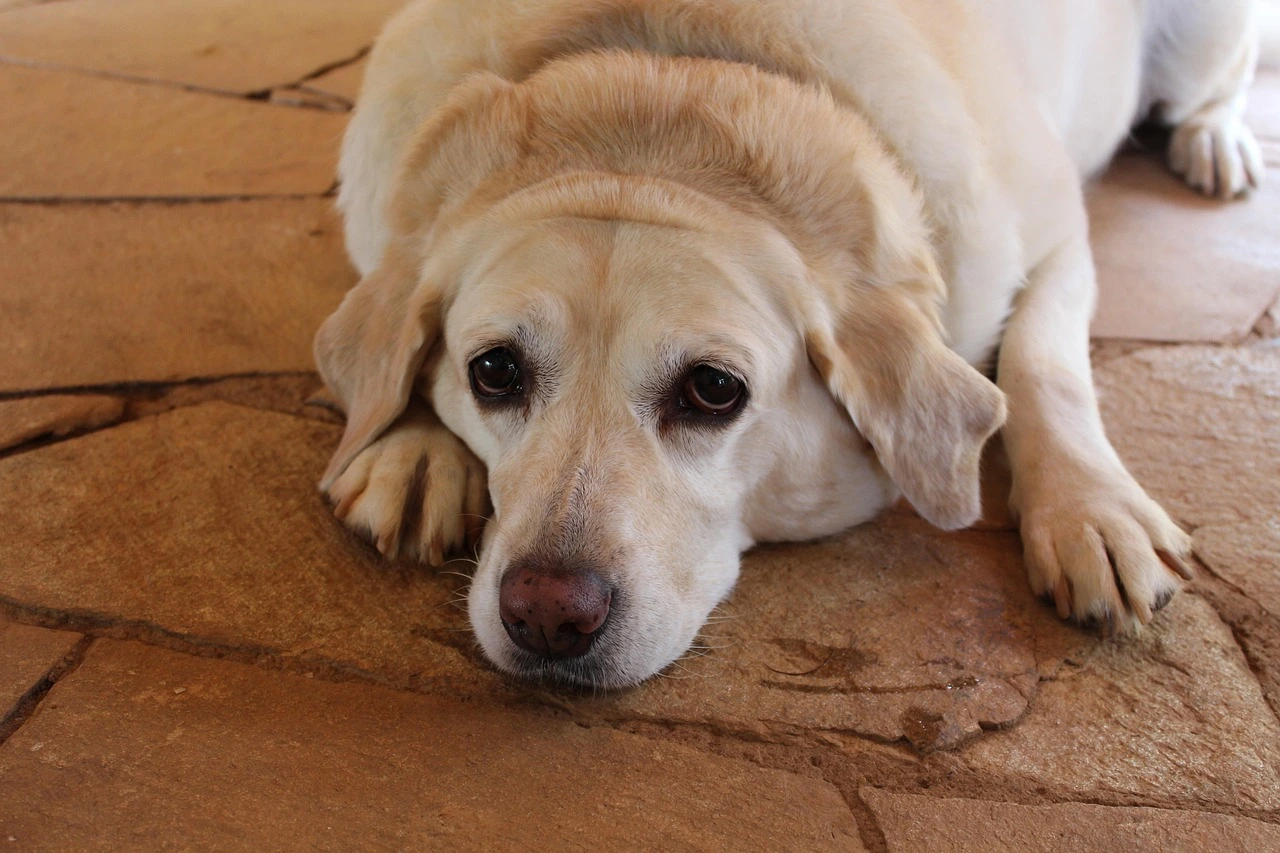
A vet once told me that over half the pets she sees are overweight, and most owners have no idea. It's hard to tell when you see your pet every day, the weight creeps on slowly. Here's how to actually check, and what to do about it.
Signs Your Pet May Be Overweight
The Rib Test
Run your hands along your pet's sides. You should be able to feel their ribs easily without pressing hard. If you can't feel the ribs, or if there's a thick layer of fat covering them, your pet is likely overweight.
The Profile Check
Look at your pet from the side. Dogs and cats should have a visible tuck in their abdomen, the belly should go up from the rib cage toward the hind legs. If the belly hangs down or is level with the chest, this indicates excess weight.
The Overhead View
Look at your pet from above. There should be a visible waist behind the ribs. If your pet's body is oval-shaped or bulging at the sides with no waist definition, they're probably overweight.
Behavioral Signs
- · Difficulty walking or running
- · Excessive panting
- · Reluctance to exercise or play
- · Difficulty grooming (especially in cats)
- · Trouble going up stairs
Weight Guidelines
Dogs: A dog is generally considered overweight if they're 10-20% above their ideal body weight, and obese if they're more than 20% over.
Cats: Cats are typically overweight at 10-19% above ideal weight, and obese at 20% or more above ideal weight. Most cats should weigh between 8-10 pounds, though this varies by breed.
Products to Help Manage Pet Weight
1. Automatic Pet Feeder with Portion Control
Best for: Preventing overeating and establishing consistent meal schedules
PETLIBRO Automatic Feeder
Pros
- Schedule up to 10 meals/day, control remotely via WiFi
- Twist-lock lid and desiccant bag keep kibble fresh
- Infrared sensor prevents jams, battery backup ensures feeding continues
- Record your voice so pets hear you at mealtime
- Tool-free assembly, removable stainless steel bowl
Cons
- Need to replace desiccant bags every 2 weeks
- Only works with kibble 2-15mm diameter
- Some users report occasional WiFi disconnections
VOLUAS Automatic Feeder
Pros
- Set 1-4 meals daily with precise portion control
- Works with AC adapter or 3 D-cell batteries for backup during outages
- 10-second personalized message helps pets feel comfortable at mealtime
- Locking lid prevents pets from accessing food between scheduled times
- Removable stainless steel bowl and cleanable parts
Cons
- No 12-hour AM/PM option, which some find confusing
- Need to test dispensing to determine actual food amounts
- Larger kibble pieces (over 10mm) may occasionally cause motor to stick
- Only works with dry food, kibble size must be 2-10mm
- Some users report occasional feeding times being off schedule
2. Slow Feeder Bowls
Best for: Pets that eat too quickly and preventing gulping
MateeyLife Slow Feeder Dog Bowls
Pros
- Slows eating up to 10x, reducing choking and bloating
- Works with dry, wet, and raw food diets
- Dishwasher safe and quick to clean
- Non-slip base keeps bowl stable during feeding
- Food-grade PP plastic that's non-toxic
Cons
- Best for small to medium breeds; may be too shallow for larger dogs
- Some pets may scratch and scatter food around the bowl
- Not designed as a toy; needs supervision to prevent damage
Outward Hound Feeder Bowl
Pros
- Reduces eating speed up to 10x, helping prevent bloating and choking
- Improves digestion and reduces obesity risk from fast eating
- Top-rack dishwasher safe and BPA-free construction
- Stays in place during meals with rubber base
- Makes mealtime engaging like a puzzle game
Cons
- Some find it smaller than expected for larger portions
- Very clever dogs may figure out shortcuts over time
- Some dogs need time to adapt to the new eating style
Bifeaw Slow Feeder Cat Bowl
Pros
- Reduces eating speed by 40-80% and helps prevent vomiting
- High-quality silicone that's BPA-free and dishwasher safe
- Works with both dry kibble and wet food
- Non-stick surface resists food buildup and cleans easily
- Engages cats' hunting instincts while eating
Cons
- Some cats can tip or slide the bowl around
- Very food-motivated cats may learn to eat faster over time
- Holds about 1/4 cup of food per bowl
- May take a few days for cats to adapt
3. Interactive Treat-Dispensing Toys
Best for: Combining mental stimulation with calorie control
PETSTA Puzzle Toys
Pros
- Combines sliding puzzles with treat dispensing to keep pets engaged for 20+ minutes
- Made from non-toxic polypropylene with no removable parts that could be choking hazards
- Dishwasher safe with drainage holes for quick drying
- Four corner pads keep it stable during play
- Works for both dogs and cats of various sizes
Cons
- Smart dogs figure it out quickly and lose interest after a few weeks
- Large treats need to be broken up to fit properly
- Some users remove the anti-slip pads as puppies may chew and swallow them
- Better suited for moderate chewers
4. Low-Calorie, High-Fiber Pet Food
Best for: Reducing calorie intake while maintaining fullness
Natural Balance Dog Food
Pros
- Customers report 3+ pounds lost in 3-4 months
- Special fiber blend helps dogs feel full and reduces begging
- Chicken meal and salmon meal as first ingredients maintain muscle
- L-Carnitine, vitamins, and minerals support overall health
- Dogs eat less and feel satisfied longer
Cons
- High fiber content (chickpeas, peas) causes flatulence in many dogs
- Dime-sized pieces may be too big for small dogs
- Higher fiber content produces bigger, firmer bowel movements
- Contains added copper, unsuitable for certain breeds
Natural Balance Cat Food
Pros
- Many customers report successful weight reduction (one cat lost 4 pounds in 3 months)
- Higher fiber and protein content helps cats feel full longer
- Chicken meal as first ingredient, with wholesome grains and vegetables
- Often suggested by vets for weight management
- Most cats enjoy the taste and eagerly eat it
Cons
- More expensive than regular cat food
- Some cats didn't lose weight or even gained weight despite reduced calories
- Some owners note the food has a slightly grainy consistency
- Success depends heavily on following feeding guidelines and not free-feeding
5. Pet Activity Tracker
Best for: Monitoring exercise levels and setting activity goals
Vabiso Activity Tracker
Pros
- uses Google Find My Device (Android 9+)
- 10+ months with replaceable CR2032 battery
- handles rain, snow, and water activities
- works for pets, kids, cars, wallets, and other items
- comfortable for pets to wear
- updates every 2-3 minutes via Google Maps
Cons
- won't work with iPhones or iOS devices
- requires Android device nearby for tracking
- relies on Find My Device network
- primarily location-focused, not comprehensive health metrics
6. Laser Pointer or Interactive Wand Toys
Best for: Increasing daily exercise, especially for cats
YVE LIFE Laser Cat Toy
Pros
- Dual motor system creates unpredictable patterns that keep cats engaged
- Automatically turns on when it detects your cat, runs for 15 minutes then shuts off
- Fast, slow, and mixed to match different cat energy levels
- 1200mAh battery lasts up to 2 days, charges in 2.5 hours
- Quiet dual motors won't disturb you during use
- Class I laser certified safe for pets
Cons
- Works best in uncluttered areas; furniture can block the laser
- Some users report the motion activation doesn't always work reliably
- Heavy users may need to charge daily rather than every 2 days
- Needs to be placed 8-35 inches high on a table for best performance
MeoHui Cat Feather Toy
Pros
- Includes 2 wands, 9 attachments, and extra strings for extended use
- Extends from 15" to 38.9" for versatile play and easy storage
- Fiberglass fishing pole design that flexes without breaking
- Metal clip allows quick changes between feathers and toys
- Gets cats running, jumping, and exercising like wild
Cons
- Attachments may get destroyed within 1-2 weeks with active play
- Must be stored safely; not for unsupervised play
- If wand breaks, handle carefully to avoid injury
- Some fuzzy toys shed pieces that cats might try to eat
Creating a Weight Loss Plan
- · Consult your veterinarian - Get an accurate weight assessment and health clearance
- · Measure food accurately - Use a measuring cup or kitchen scale
- · Limit treats - Treats should be no more than 10% of daily calories
- · Increase exercise gradually - Start with short sessions and build up
- · Track progress - Weigh your pet weekly and adjust as needed
- · Be patient - Safe weight loss is 1-2% of body weight per week
Worth the Effort
Helping your pet lose weight isn't glamorous, but it can add years to their life. Start with the rib test, talk to your vet, measure their food properly, and be patient. Weight doesn't come off overnight, aim for slow, steady progress and your pet will be healthier for it.