
 Cat Care
Why Do Cats Like Boxes? The Science Behind Your Cat's Obsession
Last Christmas, I spent $40 on a fancy cat tunnel. My cat played with the shipping box for three weeks and never touched the tunnel. Every cat owner has a version of this story, and it turns out there's real science behind why cats are so obsessed with boxes.
The Security Blanket Effect
Cats are both predators and prey in the wild, which means they're always a little on edge. A box fixes that. It's enclosed, it has walls on all sides, and nothing can sneak up on them. Instant safe zone.
Dr. Claudia Vinke at Utrecht University actually tested this, shelter cats given boxes calmed down significantly faster than cats without them. The tight space triggers something almost like the effect of swaddling a baby. It just makes them feel secure.
The Ambush Factor
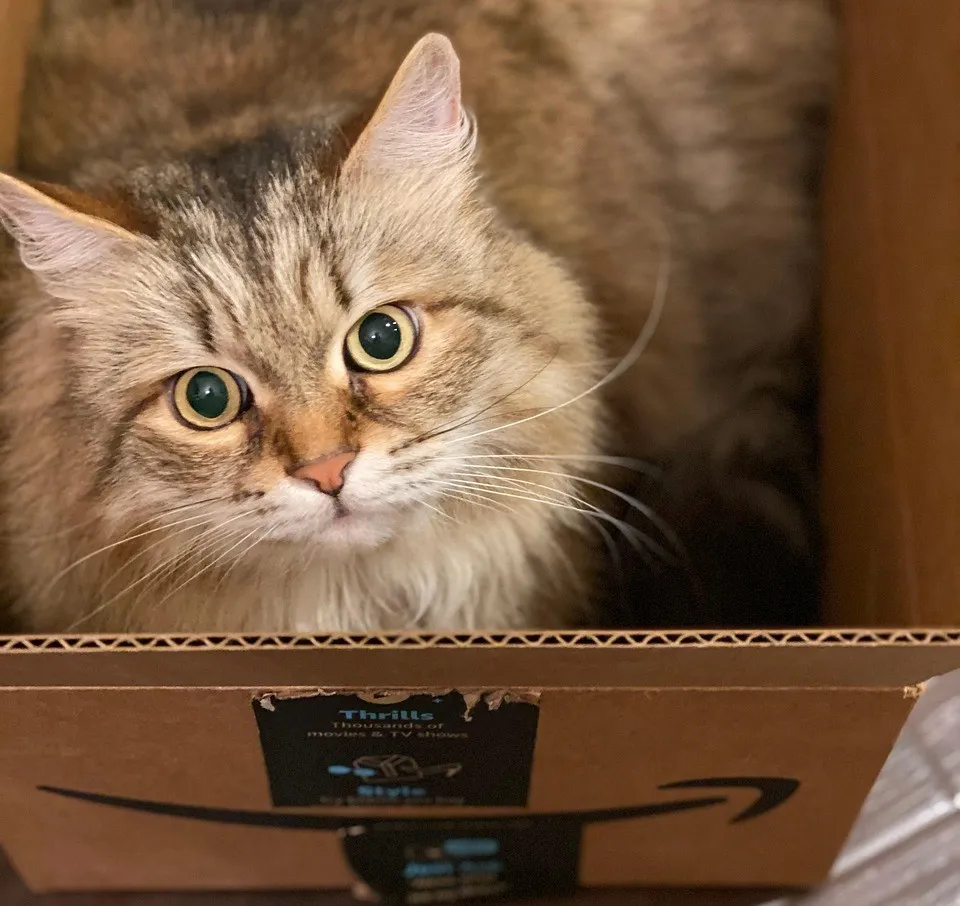
Watch a cat in a box and you'll notice they're not just sitting there, they're watching. Ears forward, eyes tracking movement. From inside, they can scope out everything without being seen. It's a perfect ambush spot, and that pounce-from-the-box move on your ankles? That's genuine hunting instinct at work.
Boxes let cats:
- · Stalk without being spotted
- · Stay alert while feeling protected
- · Practice hunting moves in a low-stakes setting
- · Rest between attacks on unsuspecting feet
Temperature Regulation Magic
This one surprised me, cats are most comfortable at 86-97°F (30-36°C). That's way warmer than most of us keep our houses. Cardboard is a surprisingly good insulator, and a box traps body heat, creating a warm little pocket. If you've noticed your cat gravitating to boxes more in winter or when the AC is cranked up, that's why.
Stress Relief in a Cardboard Package
When we moved apartments, our cat hid inside a moving box for almost two days. At first I worried, but she was actually coping, on her terms. Cats process stress by retreating, and a box gives them a private space to do that.
If you've recently moved, adopted a new pet, or had any big changes at home, just leave some boxes around. Don't force your cat out. They'll emerge when they're ready, and they'll adjust faster than if you try to coax them into socializing.
The Irresistible "If I Fits, I Sits" Phenomenon
We've all seen the cat wedged into a shoebox half their size, looking completely content. Wild cats squeeze into narrow crevices and hollow logs for safety, and that instinct hasn't gone anywhere.
The pressure against their body actually feels good to them, it's proprioceptive feedback, the same reason weighted blankets calm people down. The tighter the fit, the more secure they feel. Yes, even when it looks ridiculous.
Texture and Play Appeal
On top of everything else, cardboard just feels good under their claws. The texture is perfect for scratching, and the crunchy sound when they step on it or bat at the flaps keeps them entertained. A box is basically a free toy, they'll shred it, hide in it, knock it around the room, and play peek-a-boo from inside it.
Put This to Work
Now that you know what's going on, you can use it:
Keep a few boxes around, different sizes for different moods. Swap them out every couple weeks so they stay interesting.
Put them in quiet spots where your cat can retreat undisturbed. Near a window is a bonus.
Big changes coming? Moving, new baby, new pet, leave extra boxes out. It genuinely helps them cope.
Don't drag them out. If your cat is in a box, they chose to be there. Let them have it.
So, Stop Recycling So Fast
Your cat's box thing isn't random, it's security, warmth, hunting instinct, and stress relief all wrapped up in free cardboard. Next time a package shows up, toss the box on the floor before you break it down. Your cat will thank you by ignoring the $30 bed you bought them and sleeping in the box instead.