
 Dog Care
Why Does My Dog Eat Grass? The Surprising Truth Every Dog Owner Should Know
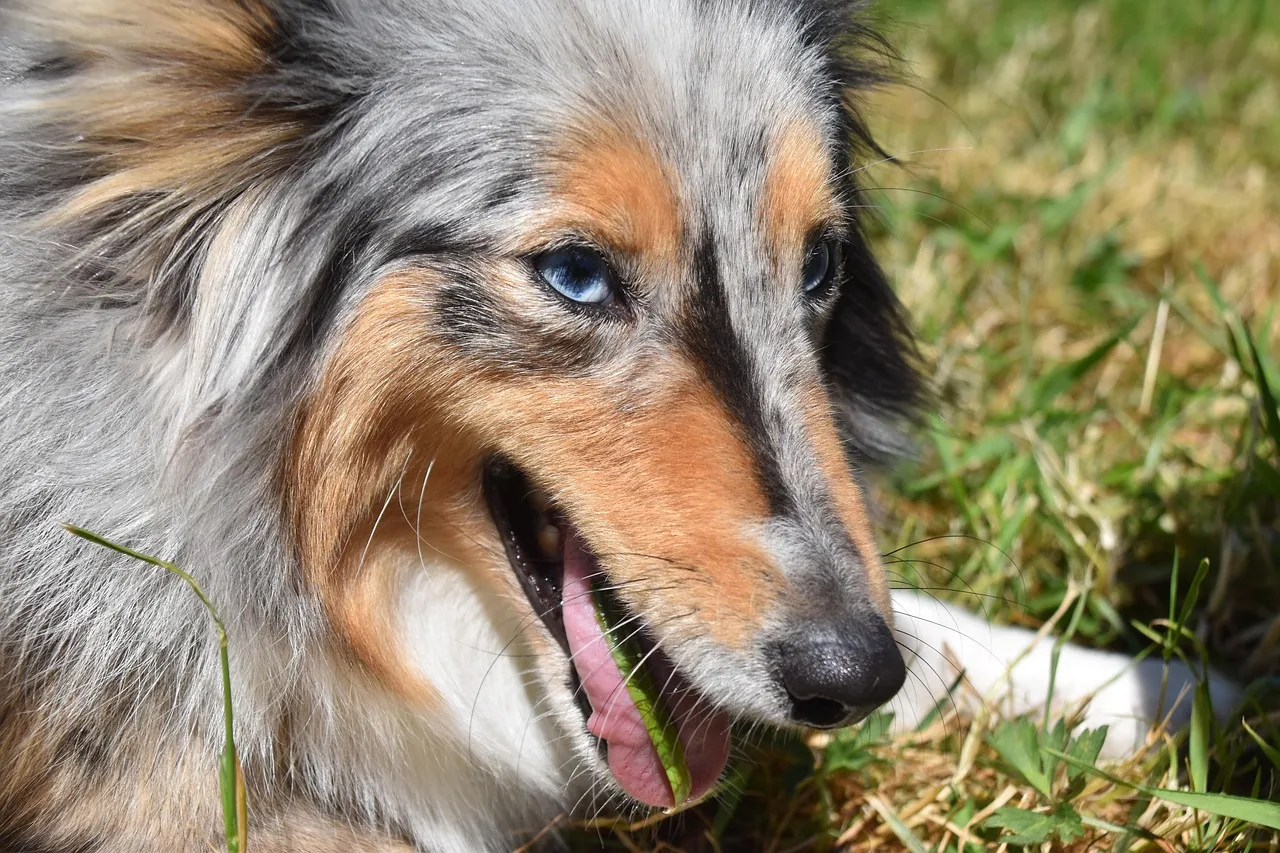
My dog eats grass like it's his job. Every walk, without fail, he finds a patch and goes to town. For years I assumed something was wrong with him. Turns out, he's just... a dog.
Is This Normal?
Very. A study in Applied Animal Behaviour Science found 68% of dogs eat grass regularly, and most show zero signs of illness before doing it. It's one of the most common dog behaviors out there, even if it looks bizarre every time.
The Real Reasons Dogs Eat Grass
They just like how it tastes
This is the boring answer, but it's probably the most common one. Some dogs genuinely enjoy grass, especially the young, tender stuff in spring. They explore the world with their mouths, and fresh grass apparently makes the cut.
Old instincts kicking in
Wild canines ate entire prey animals, stomach contents and all, which included plant matter. That instinct to supplement with fiber and greens may still be hanging around, even if your dog's kibble has everything they need.
Settling their stomach
This is what everyone assumes, and sometimes it's true, dogs eat grass to make themselves throw up when their stomach feels off. But here's the thing: only about 25% of dogs actually vomit after eating grass, and fewer than 10% seem sick before they start. So it's not the main reason for most dogs.
Boredom
Dog left alone in the yard with nothing to do? Grass becomes entertainment. If your dog mostly does this when they're hanging out solo, boredom is probably a factor.
It just feels satisfying
Ripping and chewing grass might scratch the same itch as chewing gum does for us. Some dogs just enjoy the physical act of it.
When Should You Worry?
While grass-eating is usually harmless, there are times when you should pay attention:
🚩 Red Flags:
- · Your dog is eating grass obsessively or frantically
- · They're vomiting frequently after eating grass
- · You notice other symptoms like diarrhea, lethargy, or loss of appetite
- · The grass-eating is a sudden new behavior
- · Your dog is eating large amounts of grass regularly
If you notice any of these signs, it's time to check in with your veterinarian. Excessive grass-eating can sometimes indicate gastrointestinal issues, dietary deficiencies, or underlying health problems.
The Hidden Danger: Pesticides and Herbicides
Here's what really matters: where your dog is eating grass can be more important than the fact that they're eating it.
Grass treated with pesticides, herbicides, or fertilizers can be toxic to dogs. Always be cautious about letting your dog eat grass in:
- · Public parks that may be chemically treated
- · Neighbors' yards (unless you know they're chemical-free)
- · Areas near roads where pollutants accumulate
Your own backyard is safest, assuming you use pet-safe lawn treatments.
What You Can Do
Keep Them Healthy
- · Ensure your dog is on a high-quality, balanced diet
- · Provide plenty of fresh water
- · Consider adding fiber-rich vegetables (like green beans or carrots) to their diet if your vet approves
Keep Them Entertained
- · Make sure your dog gets enough physical exercise
- · Provide mental stimulation with puzzle toys and training
- · Don't leave them alone in the yard for extended periods
Grow Your Own
If your dog loves grass, consider growing a small patch of pesticide-free grass or "pet grass" (like wheatgrass) indoors. This gives them a safe option to satisfy their grazing instinct.
Monitor Behavior
Keep an eye on how often and how much grass your dog eats. Occasional grazing is fine, but obsessive behavior warrants a vet visit.
The Short Version
Dogs eat grass because they want to. It's normal, it's ancient, and it's usually not a problem. Watch where they graze, make sure their diet is solid, and don't stress about it unless the behavior suddenly changes or they seem unwell.
You know your dog. If something feels off, call your vet. Otherwise, let them have their salad.