
 Cat Care
Why Do Cats Purr? The Surprising Science Behind Your Cat's Mysterious Motor
There's something about a cat purring in your lap that makes the whole world slow down. But purring isn't as simple as "happy cat makes happy noise." Cats purr for reasons that are strange, surprising, and in some cases, medically fascinating.
How Purring Actually Works
The mechanics are pretty wild. Muscles in the cat's larynx rapidly twitch, 25 to 150 times per second, opening and closing the glottis (the space around the vocal cords). Air passes over these vibrating muscles with every breath, producing that rumble. What makes it unusual is that cats do this on both the inhale and exhale, so the purr is essentially continuous. No other animal does it quite like this.
They're Happy (Obviously)
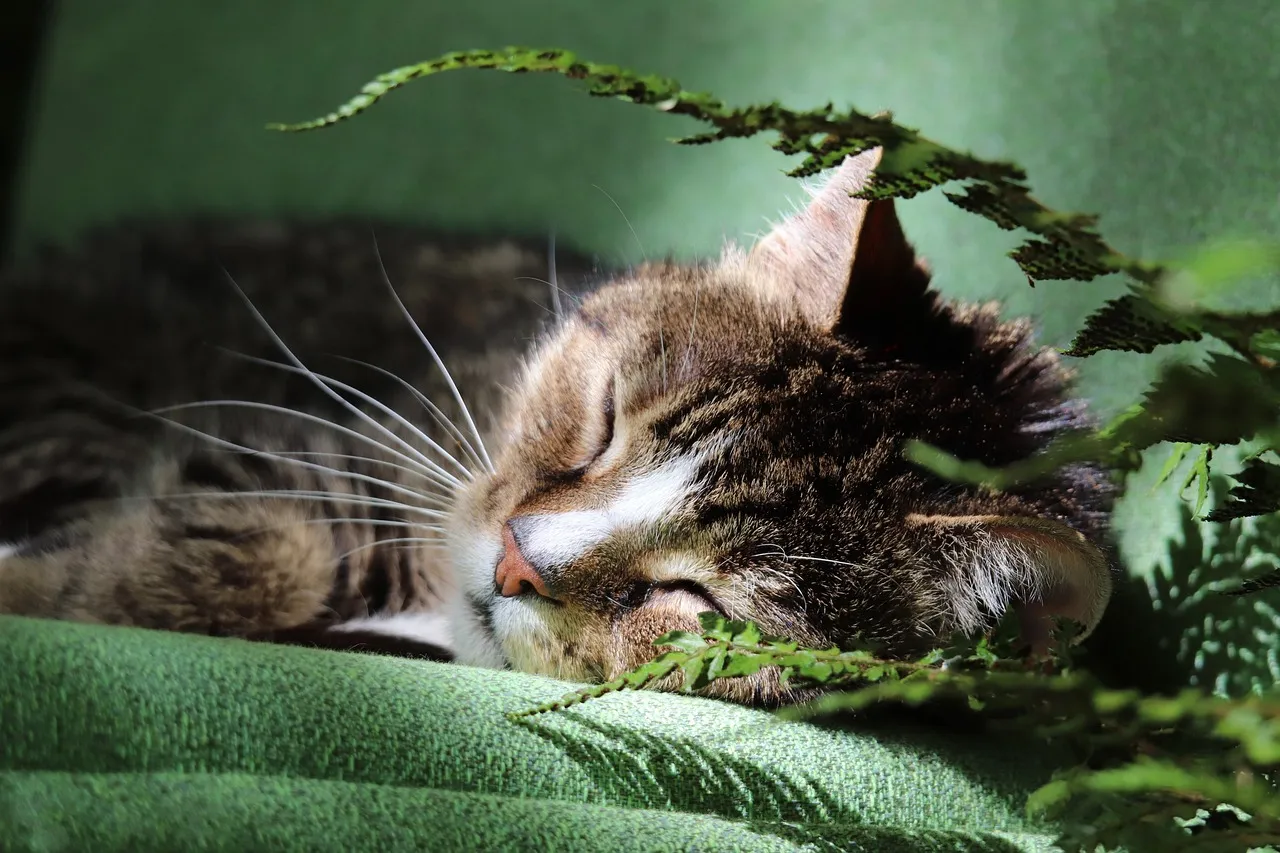
Yeah, the obvious one first. A cat sprawled in a sunbeam, purring away, that's contentment. Petting, feeding, a warm lap, all triggers. It's the clearest signal your cat is having a good time.
Talking to You (and Other Cats)
Kittens start purring within days of being born. It's how they tell their mother "I'm here, I'm eating, everything's fine." That communication doesn't stop in adulthood, when your cat purrs at you, it's often a signal of trust and friendliness. A feline white flag, basically.
Coping With Pain or Stress
This is the part most people don't know. Cats also purr when they're hurt, scared, or stressed. Vets see it all the time, cats purring on the exam table, cats purring after surgery.
It seems to work like a self-soothing mechanism, similar to how some people hum or rock when they're anxious. The purring itself may help them regulate their stress response.
Actual Healing (This Part Is Wild)
I was skeptical about this one until I looked at the research. Cat purrs vibrate at 25-150 Hertz, and that frequency range has been shown to promote:
- · Bone healing and strengthening: The vibrations may stimulate bone growth and repair
- · Pain relief: The frequency can act as a natural pain reliever
- · Reduced inflammation: Purring may help decrease swelling
- · Improved breathing: The rhythmic pattern can enhance respiratory function
- · Faster healing of wounds and muscles: The vibrations promote tissue regeneration
This might explain why cats tend to recover from injuries faster than dogs of similar size and have fewer orthopedic complications.
There's some evidence it benefits us too. Cat owners statistically have lower blood pressure and reduced heart attack risk, and while there are lots of possible explanations for that, the purring vibrations might genuinely play a role.
The "Feed Me" Purr
If you've ever been woken up by a purr that sounds... different, more insistent, with a weird cry-like quality mixed in, that's the solicitation purr. Researchers found it actually mimics the frequency of a human baby's cry. Your cat literally evolved a purr that hacks your parental instincts to get breakfast faster. Pretty manipulative, honestly.
Not All Purrs Sound the Same
Once you start paying attention, you'll notice your cat has different purrs for different situations:
- · Relaxed and content: Low, steady, soft rumble, the classic
- · Hungry or demanding: Higher-pitched with an embedded cry sound
- · Stressed or in pain: Louder, sometimes strained or uneven
- · Greeting you at the door: Quick bursts, often paired with head-butts
Why Can't All Cats Purr?
Fun fact: lions, tigers, and jaguars can't actually purr. The same throat structure that lets them roar prevents continuous purring. It's one or the other. But cheetahs, bobcats, and cougars? They purr just like your house cat. Something about that is oddly charming.
What If My Cat Doesn't Purr Much?
Don't panic if your cat isn't a big purrer. Some cats are just quiet, it's personality, not a problem. They might show affection differently:
- · Slow blinking (the "cat kiss")
- · Kneading with their paws
- · Rubbing against you
- · Following you around
- · Grooming you
What It All Means
Purring is communication, stress relief, self-healing, and manipulation all packed into one sound. Your cat has been doing this since they were days old, and they've gotten very good at it, especially the 6 AM "feed me" version.
Next time you feel that rumble in your lap, just know there's a lot more going on than "happy cat." You might even be getting some free vibration therapy out of the deal.