
 Cat Care
Why Do Cats Knead? Understanding Your Feline's Adorable 'Biscuit-Making' Behavior
My cat kneads my stomach every single evening while I'm watching TV. Claws out, full intensity, purring like a motorboat, eyes half-closed in bliss. It hurts a little and it's also the best thing ever. If you've got a cat that "makes biscuits" on you, blankets, or couch cushions, here's what's going on.
The Origins: A Kitten's First Instinct
It starts at birth. Kittens knead their mother's belly while nursing, the motion helps stimulate milk flow. So from day one, kneading is wired to comfort, warmth, and food. Even after they're weaned, the association sticks. It's basically a leftover comfort behavior that adult cats never outgrow.
Why Adult Cats Continue to Knead
They feel safe with you
If your cat kneads on your lap, take it as a compliment. They're telling you they feel the same security they felt with their mother. That's about as much trust as a cat can show.
They're claiming you
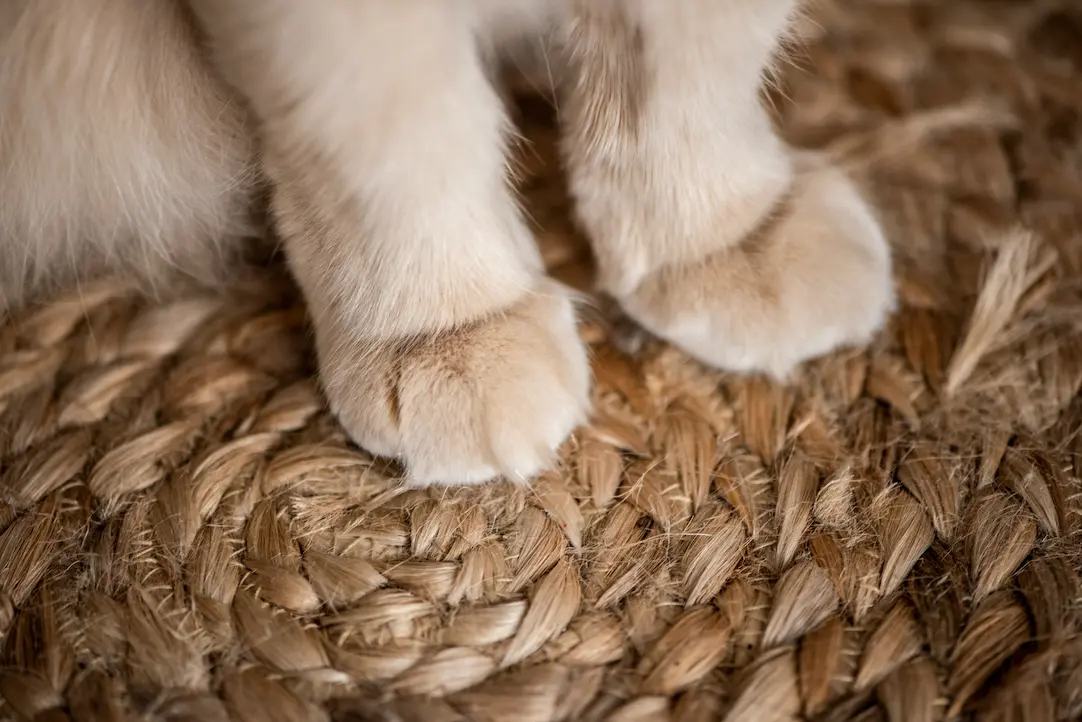
Cats have scent glands in their paw pads. Every time they knead something, including you, they're leaving their scent on it. You've been marked. You belong to the cat now.
They're stretching
It's also just a good stretch for their paws and front legs. Think of it as cat yoga. They do it after naps, before settling down, or just because it feels good.
Making the bed
Wild cats used to knead down grass and leaves to make a sleeping spot. Your cat kneading the blanket into a perfect nest before curling up? Same instinct, thousands of years later.
Dealing with stress
Not all kneading is happy kneading. Some cats do it when they're anxious, the repetitive motion is soothing, like a nervous habit.
The Tell-Tale Signs of Happy Kneading
When your cat is kneading out of contentment, you'll typically notice:
- · Purring loudly
- · Half-closed, relaxed eyes
- · A soft, relaxed body posture
- · Occasionally drooling (yes, it's a sign of extreme happiness!)
- · Alternating paws in a rhythmic pattern
Managing the Sharp Side of Kneading
While kneading is adorable, those sharp claws can be painful when they dig into your skin. Here are some helpful tips:
- · Keep nails trimmed: Regular nail trims make kneading more comfortable for everyone
- · Use a barrier: Place a thick blanket or pillow between you and your kneading cat
- · Redirect to appropriate surfaces: Gently move your cat to a soft blanket when they start kneading on you
- · Never punish: Kneading is a natural, positive behavior, punishment will only confuse and stress your cat
When to Be Concerned
Kneading is typically a harmless, positive behavior. However, if you notice your cat kneading excessively, especially when accompanied by signs of stress (hiding, decreased appetite, or aggression), it might be worth consulting your veterinarian to rule out anxiety or other health concerns.
Just Let Them Knead
It's a kitten behavior that stuck around because it works. Your cat kneads because they're comfortable, content, stretching, claiming territory, or self-soothing, sometimes all at once. Keep their nails trimmed, put a blanket on your lap if the claws are too much, and let them do their thing. It means they trust you, and that's worth a few tiny puncture marks.