
 Dog Care
Why Does My Dog Sleep So Much? What's Normal and What to Watch For
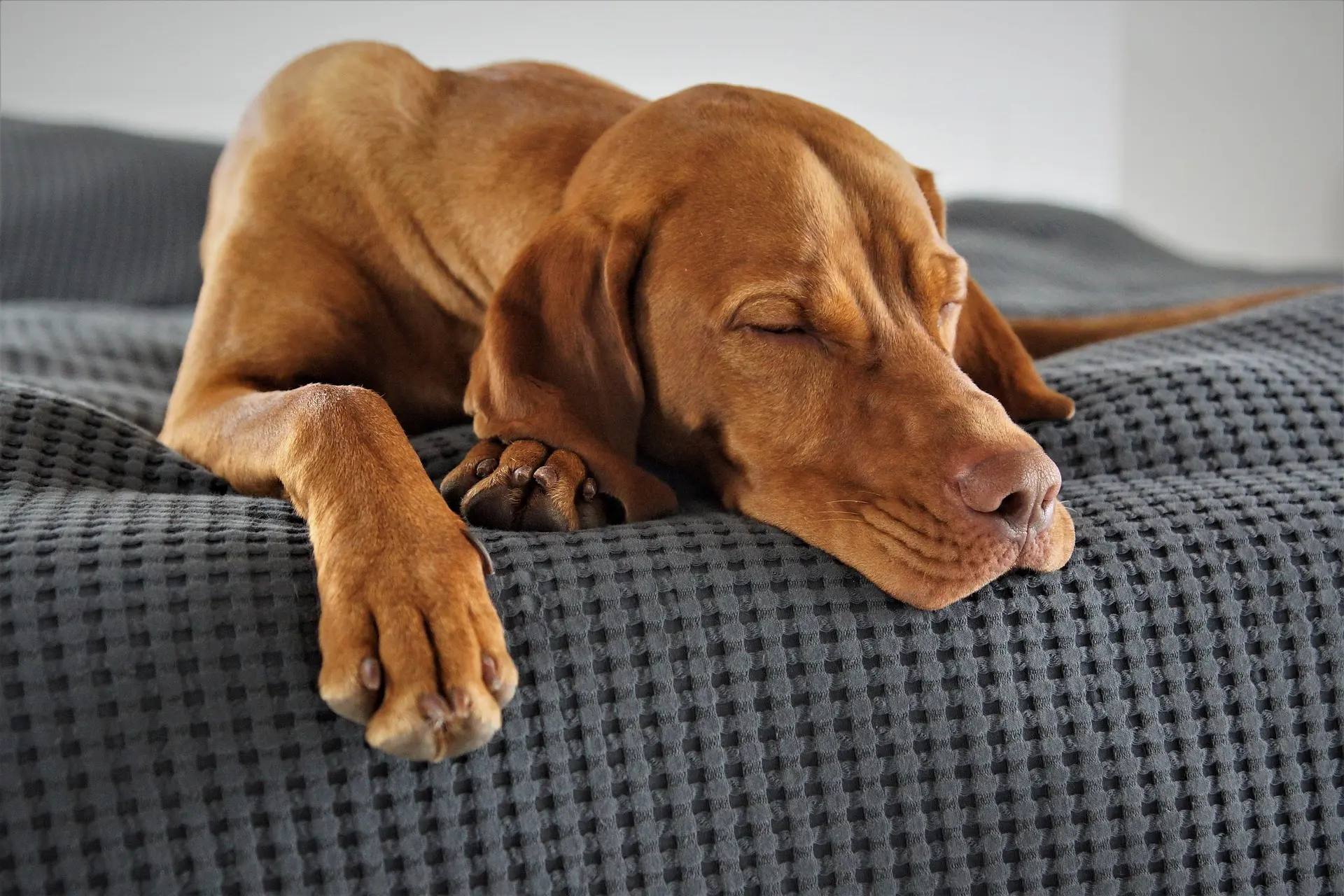
You got home from work, your dog greeted you enthusiastically, and within twenty minutes they were asleep again. They slept before you left. They'll sleep after dinner. By the time you do the math, your dog might be sleeping fourteen hours a day, and you're wondering if that's something to worry about.
For most dogs, it isn't. But sleep is also a useful health indicator, and knowing what's normal for your specific dog makes changes much easier to spot.
How Much Do Dogs Actually Sleep?
Adult dogs sleep between 12 and 14 hours per day on average. That's not a typo. Compared to the 7 to 9 hours most adult humans need, dogs sleep substantially more as part of their normal biology.
Puppies sleep even more, often 16 to 18 hours a day, because sleep is when growth and neurological development happen. Senior dogs also trend toward more sleep as their energy levels change and their bodies require more recovery time.
Larger breeds tend to sleep more than smaller breeds. A Great Dane or a Saint Bernard sleeping 16 to 18 hours a day is entirely normal. A Jack Russell Terrier sleeping the same amount might be something to look at.
Why Dogs Sleep So Much
Their sleep cycles are different from ours. Humans spend a significant portion of sleep in deep, restorative REM sleep. Dogs reach REM sleep faster but cycle through it more quickly and less deeply. They need more total hours to get the same amount of restorative rest.
Domestication. Wild carnivores sleep a lot because hunting requires intense bursts of energy followed by long recovery periods. While domestic dogs aren't hunting, that biological pattern persists. Activity followed by rest, followed by activity, is the natural rhythm.
They follow your schedule. Dogs are highly attuned to the household routine. When nothing is happening, there's no stimulus, and no one needs them, most dogs will simply sleep. They're not bored in a way that causes distress; they're just waiting efficiently.
Breed and individual variation. Some breeds were developed for sustained work and have naturally higher energy levels. Others were bred as companions or for short bursts of work and default to more rest. A Basset Hound and a Border Collie have genuinely different baseline activity and sleep needs.
Things That Increase How Much a Dog Sleeps
Age. Puppies and senior dogs both sleep more than adult dogs in their prime. If you notice a gradual increase in sleep as your dog gets older, that's usually a normal part of aging rather than a health concern.
Weather. Hot weather makes dogs sleep more. The body conserves energy and reduces heat generation by resting. You'll often notice dogs are noticeably lazier in summer, particularly midday.
Exercise level. A dog who had a long run or an active play session will sleep more afterward. This is just recovery. A dog who gets very little exercise may also sleep more, partly from boredom and partly because low stimulation leads to low activity.
Diet changes. A dog who has just eaten a larger meal, or who has switched to a food with significantly different caloric content, may sleep differently temporarily.
Stress or anxiety. Some dogs respond to stressful situations by shutting down and sleeping more rather than showing obvious signs of anxiety. If a dog is in an environment that feels unsafe or overwhelming, increased sleep can be a sign of a low mood rather than contentment.
When More Sleep Is Worth Paying Attention To
There's a difference between a dog who sleeps a lot and a dog whose sleep has noticeably increased from their own normal. The second one is the flag.
If your dog is sleeping significantly more than they used to, particularly if it's accompanied by any of these, it's worth a vet visit:
- · Less interest in food or water
- · Reluctance to get up or move around when they normally would
- · Slower to greet you, less engaged when awake
- · Difficulty getting comfortable, shifting positions frequently while resting
- · Changes in breathing during sleep, gasping, whimpering, or unusual sounds
- · Increased sleep alongside weight gain or loss
These combinations can indicate hypothyroidism, anemia, heart disease, diabetes, infections, pain from arthritis or injury, or in senior dogs, early cognitive dysfunction. None of these are diagnoses from a sleep change alone, but sleep change as one piece alongside other shifts is worth taking seriously.
Sleep and Pain
This one is easy to miss. Dogs in chronic pain often sleep more because activity hurts and resting is easier. If a dog who used to be active is now sleeping more and seems less willing to jump, climb stairs, or move quickly, pain is a real possibility even if they're not limping or whimpering.
Dogs are good at masking pain. Increased sleep combined with subtle reluctance to move is worth investigating rather than putting down to old age.
Dreaming and Twitching
If your dog twitches, whimpers, moves their legs, or makes small sounds during sleep, they're almost certainly dreaming. Dogs experience REM sleep and show physical activity during it, just like humans.
Puppies and senior dogs tend to twitch more visibly during sleep. This is normal. The general guidance is to leave a dreaming dog alone rather than waking them, they may startle and react before they're fully oriented.
The question people ask is whether they should wake a dog who seems distressed during a dream. If the movement is mild, leave them. If it escalates to sustained thrashing or vocalization that doesn't settle, a gentle verbal cue from a distance, without touching them, is a reasonable way to ease them out of it.
Tracking Sleep as a Health Baseline
One of the challenges with sleep changes is that they happen gradually. A dog who sleeps 13 hours a day and then starts sleeping 16 hours a day over the course of a few months can be easy to miss because there's no single obvious change to point to.
Keeping a loose record of your dog's daily rest patterns gives you a baseline. If you're already logging feeding times, activity, or health observations in PawTrack, adding a note about sleep duration and quality alongside those is a simple way to build that picture. When something shifts, you'll have context that makes the change visible rather than just a vague feeling that something is different.
The Bottom Line
A dog who sleeps 12 to 14 hours a day is a normal dog. A large breed sleeping more is a normal large breed dog. A puppy sleeping most of the day is a puppy doing exactly what puppies are supposed to do.
What's worth your attention is a change from your individual dog's normal, especially when it comes with other subtle shifts in behavior, appetite, or movement. Sleep is one of the quieter health signals dogs give us. It's worth paying enough attention to notice when it changes.