
 Cat Care
Why Does My Cat Hiss? What It Means and When to Be Concerned
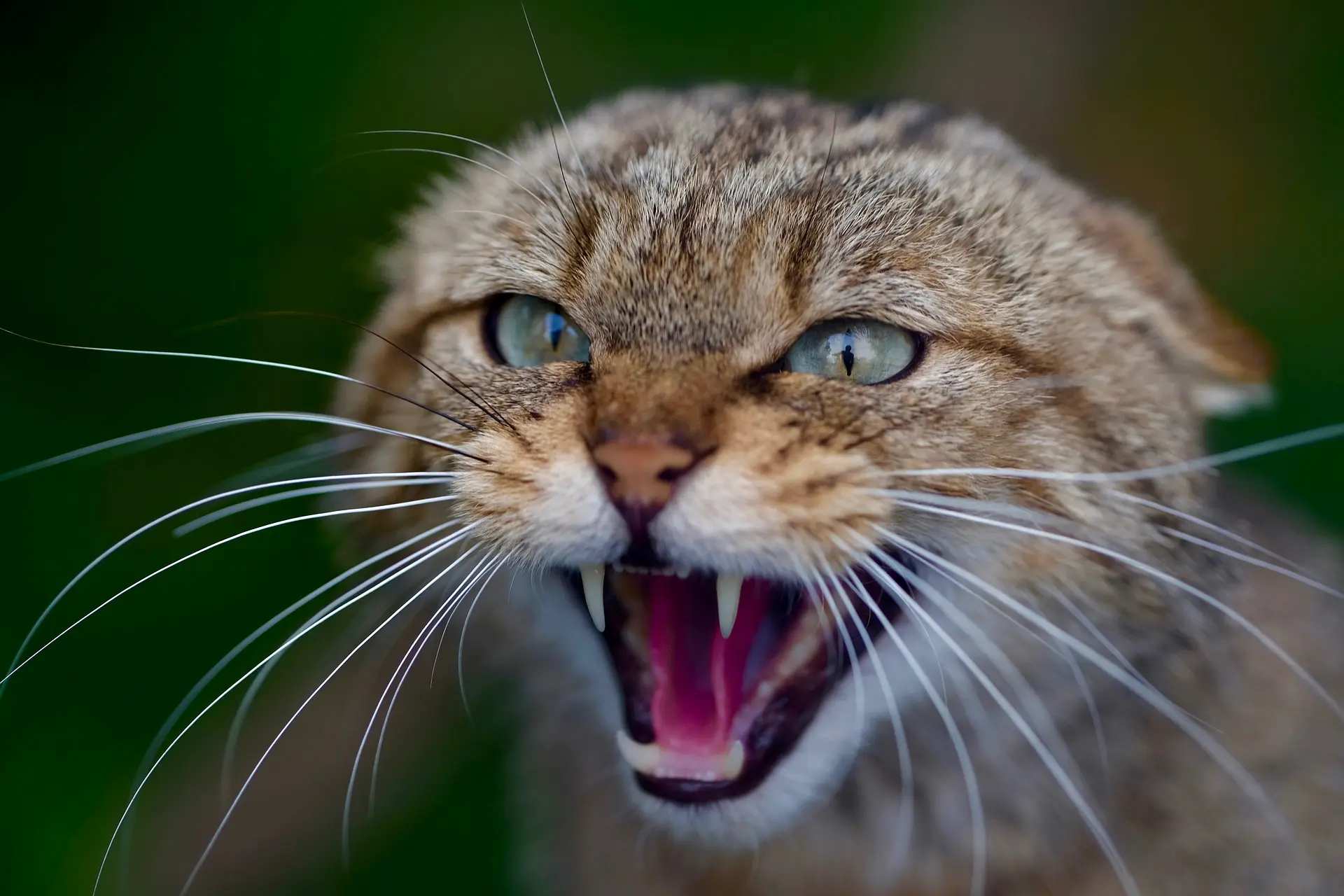
Your cat hisses at you, at a guest, at the new cat through the door, at the vet's office. It sounds threatening. It looks threatening. And if it came out of nowhere, it can feel like a betrayal from an animal you thought trusted you.
But hissing isn't what most people think it is. It's not an attack. It's not hatred. It's a cat doing exactly what good communication is supposed to do: telling you something clearly before things escalate.
What a Hiss Actually Is
A hiss is a defensive warning. When a cat hisses, they're telling whatever they're hissing at: I feel threatened. Back off. I don't want a confrontation.
The sound itself mimics a snake. There's a theory that cats evolved this vocalization specifically because snakes are universally recognized as dangerous, and mimicking that sound is an effective way to startle or deter a threat. Whether or not that's the full story, the result is the same: a sharp, unambiguous signal that the cat wants space.
The important thing to understand is that a hissing cat is a cat trying to avoid conflict, not start one. Hissing comes before escalation. It's the cat giving you a warning rather than going straight to scratching or biting. In that sense, a hissing cat is actually communicating well.
What Triggers a Hiss
Fear. This is the most common reason cats hiss. A cat who feels cornered, threatened, or in a situation they can't escape from will hiss as a last line of defense before striking. Unfamiliar people, unfamiliar environments, veterinary visits, loud noises, and sudden movements are all common triggers.
Pain. A cat who is touched in a painful area, or who is in significant discomfort, will hiss as a reflexive response. If your cat hisses when you pick them up or touch a specific spot, that's worth paying close attention to. Pain-related hissing can be easy to miss because it looks the same as fear-related hissing.
Redirected aggression. A cat watching something outside (another cat, a bird, a squirrel) can become highly aroused and then redirect that arousal at the nearest available target, often you, even though you had nothing to do with what they were watching. The hiss in this case isn't really about you, but it's still real. An aroused cat in this state can escalate quickly.
Territorial threat. When a new cat is introduced, when a visiting cat's scent comes in on your clothes, or when an unfamiliar animal appears at the window, a resident cat may hiss as a territorial response. The hiss is directed at the perceived intruder.
Overstimulation. Some cats reach a threshold during petting where the stimulation becomes too much and they need it to stop immediately. This is petting-induced aggression, and a hiss is often the warning sign before a bite. If your cat hisses mid-pet, they're telling you they've had enough.
Play gone too far. Kittens and younger cats sometimes hiss during rough play when the other cat or person has pushed past their limit. It's still a warning, just in a more playful context.
How to Respond to a Hiss
The right response is almost always to give the cat space immediately.
Don't punish the hiss. A cat who is punished for warning you is a cat who learns that warnings don't work, and who will eventually skip the warning entirely. The hiss is doing you a favor.
Don't try to comfort a hissing cat by approaching them or reaching out to pet them. That's the opposite of what they need. Give them distance, let them settle, and wait for them to come to you when they're ready.
If you know the trigger, remove it or remove the cat from the situation if you can do so safely. If the cat is cornered, create an exit route by moving away from the direction they need to go.
Don't stare directly at them while they're hissing. In cat communication, sustained eye contact is a challenge or a threat. Slow-blinking and looking slightly away signals you're not a danger.
When Hissing Is a Warning Sign
Most hissing is normal and situational. But there are cases where it warrants more attention.
If hissing is new in a cat who never did it before, especially in an adult or senior cat, consider whether something physical has changed. A cat who suddenly starts hissing when handled may be in pain. It's worth a vet visit to rule out something like dental disease, arthritis, or an internal issue.
If the hissing is happening without any obvious trigger, the cat seems disoriented or confused alongside it, or it's happening in a senior cat who has been otherwise stable, it can occasionally indicate a neurological change or cognitive dysfunction.
If hissing is escalating toward biting or scratching regularly, something in the cat's environment is keeping them in a sustained state of stress. That's not a behavior problem to manage by avoiding the cat; it's a signal that something needs to change about their situation.
If your cat's hissing pattern is changing, logging when it happens, what preceded it, and what the cat did afterward in PawTrack can help you identify a pattern before it becomes a bigger issue. A clear timeline is also useful if you end up discussing it with a vet or a feline behavior consultant.
Hissing at Other Cats
When two cats share a home and one hisses at the other, it doesn't necessarily mean they'll never get along. Hissing between cats is normal during introductions and when territory or resources feel contested.
What matters is whether it's escalating or staying level. Hissing with distance is normal. Hissing followed immediately by chasing or fighting is a different situation.
Slow introductions, separate spaces, and separate resources (food bowls, litter boxes, resting spots) reduce the competition and tension that drives most inter-cat hissing. Most cats who start out hissing at each other will reach a functional equilibrium over time, especially with a careful introduction process.
The Bottom Line
A hiss is your cat's way of saying: I'm scared, I'm overwhelmed, or I'm in pain. Please give me space.
It's not a sign that your cat hates you. It's not unpredictable aggression. It's clear, honest communication from an animal who is trying to manage a situation without it getting worse.
The best thing you can do when your cat hisses is listen to them. Give the space they're asking for. Let them come back to you when they're ready. And if the hissing is happening in situations where it didn't used to, treat it as information worth investigating rather than a behavior problem to push through.