
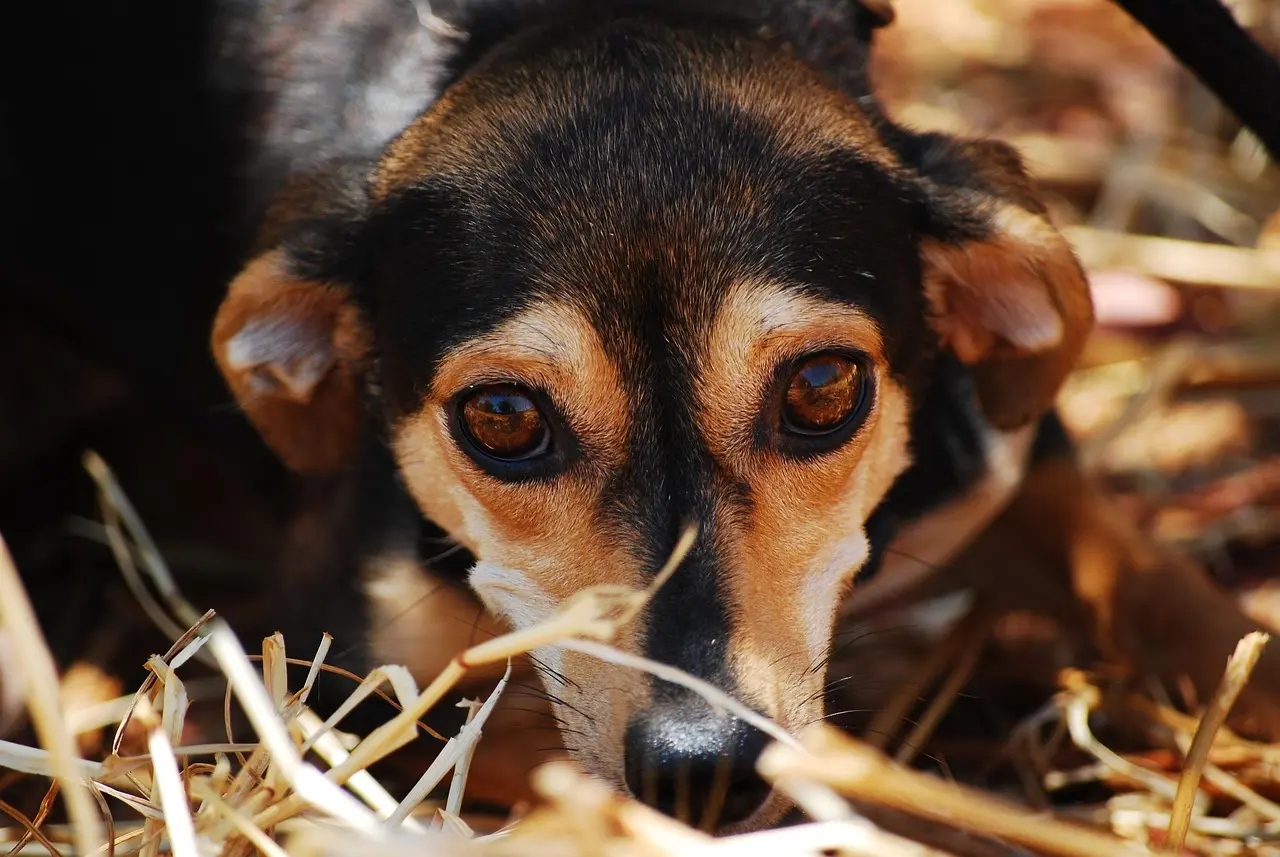
 Dog Care
How to Help an Anxious Dog: Signs, Causes, and Proven Calming Strategies
Your dog paces back and forth by the door the moment you pick up your keys. They tremble during thunderstorms, destroy furniture when left alone, or refuse to eat when visitors arrive. If any of this sounds familiar, your dog may be struggling with anxiety.
Dog anxiety is way more common than people think, studies suggest over 70% of dogs show some form of it. I've worked with anxious dogs, and the frustrating part is that there's no quick fix. But with the right approach, most dogs do get better. Here's what actually works.
Recognizing the Signs of Anxiety in Dogs
Dogs can't tell us they're anxious with words, but their body language speaks volumes. Anxiety symptoms range from subtle to severe, and knowing what to look for is the first step toward helping your dog.
Behavioral Signs
- · Pacing or restlessness
- · Excessive panting (when not hot or exercising)
- · Destructive behavior (chewing furniture, digging, scratching doors)
- · Escape attempts (trying to break out of crates, rooms, or yards)
- · Excessive barking, howling, or whining
- · House soiling despite being housetrained
- · Hiding or cowering
- · Clinginess or excessive licking
Physical Signs
- · Trembling or shaking
- · Drooling more than usual
- · Tucked tail and flattened ears
- · Whale eye (showing the whites of their eyes)
- · Dilated pupils
- · Shedding more than normal
- · Loss of appetite or refusal to eat
- · Diarrhea or digestive issues
If you're unsure whether your dog's behavior indicates anxiety or a medical issue, check our guide on how to tell if your dog is in pain. Some symptoms overlap, and a veterinary checkup is always a smart first step.
Common Types of Dog Anxiety
1. Separation Anxiety
The most well-known form of dog anxiety, separation anxiety occurs when dogs become extremely distressed when left alone or separated from their primary attachment figure.
Signs include:
- · Destructive behavior within minutes of you leaving
- · Excessive vocalization (barking, howling, whining) when alone
- · House soiling only when left alone
- · Frantic greeting behavior when you return
- · Following you from room to room before you leave
- · Pacing, drooling, or panting when they sense you're about to go
Separation anxiety can range from mild unease to full-blown panic. Dogs with severe cases may injure themselves trying to escape, breaking through windows, chewing through doors, or damaging crates.
2. Noise Anxiety
Thunderstorms, fireworks, construction, vacuum cleaners, or even unexpected loud sounds can trigger intense fear responses in dogs.
Signs include:
- · Trembling or hiding during storms or fireworks
- · Trying to escape to "safe" spots (closets, bathrooms, under beds)
- · Refusing to go outside after hearing a loud noise
- · Panting, drooling, and wide-eyed panic
- · Destructive behavior during noise events
Noise phobias can worsen over time if not addressed. A dog that was mildly nervous about thunder at age two may develop full panic attacks by age five.
3. Social Anxiety
Some dogs are uncomfortable around unfamiliar people, other dogs, or in new environments.
Signs include:
- · Cowering, hiding, or retreating from strangers
- · Growling or snapping when approached by unfamiliar people or dogs
- · Refusing to walk in busy areas
- · Shutting down (freezing, refusing to move) in new environments
- · Excessive lip licking, yawning, or avoidance behaviors
Social anxiety often stems from insufficient socialization during the critical puppy development period (3-14 weeks), but it can also result from traumatic experiences.
4. Generalized Anxiety
Some dogs seem anxious about everything, constantly on edge without a specific trigger.
Signs include:
- · Chronic restlessness
- · Difficulty relaxing even in safe, familiar environments
- · Startling easily at minor stimuli
- · Persistent low-level stress behaviors (lip licking, yawning, panting)
- · Inability to settle or sleep normally
Generalized anxiety may have genetic components and often requires a combination of behavior modification and veterinary support.
5. Age-Related Anxiety
Senior dogs can develop anxiety as cognitive function declines, similar to dementia-related anxiety in humans.
Signs include:
- · Confusion or disorientation
- · Increased nighttime restlessness
- · Vocalization at unusual times
- · Staring at walls or into space
- · Changes in house training habits
- · Clinginess or withdrawal
If your older dog suddenly develops anxious behaviors, our Senior Dog Care Guide covers cognitive decline and how to support aging dogs.
What Causes Dog Anxiety?
Understanding the root cause helps you choose the right approach:
Genetics: Some breeds are more predisposed to anxiety. Herding breeds, working breeds, and highly sensitive breeds like Border Collies, German Shepherds, and Vizslas can be more prone.
Early experiences: Puppies who weren't properly socialized, were separated from their mother too early, or experienced trauma during development are more likely to develop anxiety.
Traumatic events: Abuse, abandonment, shelter stays, car accidents, or frightening experiences can create lasting anxiety.
Changes in routine: Moving to a new home, a new family member (human or pet), schedule changes, or loss of a companion can trigger anxiety.
Medical conditions: Pain, hormonal imbalances, neurological issues, or sensory decline can cause or worsen anxiety. Always rule out medical causes first.
Proven Strategies to Help Your Anxious Dog
1. Create a Safe Space
Every anxious dog needs a reliable retreat where they feel completely secure.
How to set it up:
- · Choose a quiet, low-traffic area of your home
- · Provide a comfortable bed or crate (if your dog is crate-trained and finds it comforting)
- · Include familiar blankets with your scent
- · Keep the space consistently available (never use it as punishment)
- · Consider covering a crate with a blanket for a den-like feeling
For help choosing the perfect bed, check our guide on choosing the right dog bed for your anxious dog's needs.
2. Establish Predictable Routines
Anxious dogs thrive on predictability. A consistent daily schedule reduces uncertainty, which is a major anxiety trigger.
Build routine around:
- · Feeding at the same times each day
- · Regular walk and exercise schedules
- · Consistent bedtime and wake-up times
- · Predictable departure and arrival patterns
- · Structured play and training sessions
Routines don't need to be rigid to the minute, but a general daily structure helps anxious dogs feel more secure about what comes next.
3. Exercise and Mental Stimulation
Physical and mental exercise are two of the most effective anxiety reducers available. A well-exercised dog has less pent-up energy to fuel anxious behaviors.
Physical exercise:
- · Daily walks appropriate to your dog's breed and age
- · Play sessions (fetch, tug, chase)
- · Swimming (for water-loving breeds)
- · Hiking or exploring new trails with a proper harness
Mental stimulation:
- · Puzzle feeders and food-dispensing toys
- · Mental enrichment activities tailored to your dog
- · Sniff walks (letting your dog lead with their nose)
- · Training sessions using positive reinforcement
- · Interactive games that challenge problem-solving
Mental stimulation is especially important for anxious dogs, as it redirects their focus and builds confidence.
4. Desensitization and Counter-Conditioning
These are the gold standard behavioral techniques for treating anxiety:
Desensitization involves exposing your dog to their anxiety trigger at very low levels and gradually increasing intensity over time:
- · Fear of thunderstorms? Play recorded thunder sounds at barely audible volume
- · Separation anxiety? Practice leaving for just 5 seconds, then 10, then 30
- · Social anxiety? Start with one calm person at a distance, slowly decreasing distance
Counter-conditioning pairs the trigger with something positive:
- · Thunder sound = high-value treat
- · You picking up your keys = favorite toy appears
- · Stranger at a distance = delicious chicken
The key is patience. Progress may be measured in weeks or months, not days. Never rush the process or force your dog past their comfort threshold.
5. Calming Aids and Tools
Several products can support your anxiety management plan:
Compression wraps (Thunder Shirts)
- · Apply gentle, constant pressure similar to swaddling
- · Effective for many dogs during storms, fireworks, or travel
- · Works best when combined with other strategies
Pheromone diffusers (Adaptil)
- · Release synthetic versions of calming pheromones
- · Available as plug-ins, collars, or sprays
- · Can help create a calming environment
Calming supplements
- · L-theanine, melatonin, or chamomile-based products
- · Always consult your vet before starting supplements
- · May take several weeks to show effects
White noise or calming music
- · Masks sudden, startling sounds
- · Classical music and specific "dog relaxation" playlists have shown benefits in studies
- · Can be left on during alone time
6. Training and Confidence Building
Building your dog's confidence directly combats anxiety:
Teach a solid "settle" or "place" command:
- · Train your dog to relax on a specific mat or bed on cue
- · Reward calm, settled behavior generously
- · Practice in low-stress situations first, then gradually add mild distractions
Practice independence:
- · Reward your dog for relaxing away from you
- · Gradually increase the distance and duration
- · Don't make a big deal of departures or arrivals
Use positive reinforcement training:
- · Build a vocabulary of commands that give your dog a job to focus on
- · Trick training builds confidence and strengthens your bond
- · Check our Puppy Training Guide for foundational techniques
Never use punishment-based methods with an anxious dog. Punishment increases fear and worsens anxiety.
7. Manage the Environment
While you work on long-term solutions, manage your dog's environment to reduce anxiety exposure:
- · Close curtains during storms or fireworks
- · Use baby gates to create safe zones
- · Avoid forcing your dog into situations that trigger panic
- · Provide background noise to muffle startling sounds
- · Keep departures and arrivals low-key and calm
- · Walk during quieter times of day if your dog is socially anxious
8. When to Seek Professional Help
Some anxiety cases require professional intervention:
Consult your veterinarian if:
- · Your dog's anxiety is severe (self-injury, extreme destruction, inability to eat)
- · Behavioral strategies alone aren't making progress
- · You suspect a medical component
- · Your dog's anxiety is getting worse over time
Consider a veterinary behaviorist if:
- · Standard training approaches haven't worked
- · Your dog's anxiety significantly impacts their quality of life
- · You need a comprehensive behavior modification plan
- · Medication may be appropriate
There's no shame in medication for severe anxiety. Just like humans, some dogs have brain chemistry that benefits from pharmaceutical support. Anti-anxiety medications can make behavioral training more effective by reducing the baseline anxiety level enough for your dog to actually learn.
What NOT to Do with an Anxious Dog
Avoid these common mistakes that can make anxiety worse:
Don't punish anxious behavior. Your dog isn't choosing to be destructive or disruptive. Punishment increases fear and can worsen the underlying anxiety.
Don't force exposure. Dragging a fearful dog toward their trigger ("flooding") can create lasting trauma and make the phobia significantly worse.
Don't ignore it and hope it improves. Anxiety rarely resolves on its own and typically worsens over time without intervention.
Don't reassure excessively during panic. While you shouldn't ignore your dog, frantic comforting can reinforce that there's something to be scared of. Stay calm, be present, and model relaxed behavior.
Don't get another dog solely to "fix" anxiety. While some dogs benefit from a confident companion, introducing a new pet into an already anxious dog's world can increase stress. Address the anxiety first.
Living with an Anxious Dog
Managing dog anxiety is a journey, not a destination. Some important realities:
- · Progress is rarely linear. There will be setbacks
- · What works for one dog may not work for another
- · Seasonal changes (fireworks season, storm season) may require adjusted strategies
- · Your own stress affects your dog. Staying calm helps them stay calm
- · Small improvements matter. Celebrate them
- · It's okay to feel frustrated. Caring for an anxious dog is emotionally demanding
Most anxious dogs can make significant improvements with consistent, compassionate support. They may never be the most laid-back dog at the park, but they can learn to feel safer and more confident in their daily lives.
The Honest Reality
Anxious dogs aren't being bad. They're scared, and they need help, not punishment, not tough love, just consistent support and patience. Learn their body language, figure out their triggers, build routines, and don't be afraid to get professional help if you need it.
Progress is slow sometimes. But watching an anxious dog gradually relax and trust the world a little more is one of the most rewarding things in dog ownership.
Related Reading
Want to learn more about understanding and caring for your dog? Check out these related posts:
- · Dog Body Language: What Your Dog Is Telling You
- · Why Does My Dog Lick Me? Decoding Your Dog's Kisses
- · How to Tell If Your Dog Is In Pain
- · Why Your Dog Needs Mental Stimulation
- · How to Stop Excessive Barking
- · Senior Dog Care: Supporting Your Aging Companion
- · Puppy Training: Building a Strong Foundation