
 Cat Care
Why Do Cats Hate Water? The Surprising Science Behind Feline Hydrophobia
You try to give your cat a bath, and suddenly your sweet, purring companion transforms into a hissing, clawing tornado of fur and fury. Or maybe you've watched your cat carefully avoid puddles, leap away from sprinklers, or stare at their water bowl with suspicion before delicately dipping a single paw.
The question is universal among cat owners: why do cats hate water so much?
The reasons go deeper than you'd expect, evolution, fur physics, and control issues all play a role.
Do ALL Cats Hate Water?
Not all of them, actually. Most domestic cats want nothing to do with it, but some breeds genuinely enjoy water:
- · Turkish Van: Known as the "swimming cat," this breed has a water-resistant coat
- · Maine Coon: Often fascinated by water and known to play in it
- · Bengal: Many Bengals enjoy water play and even showering with their owners
- · Abyssinian: Curious about water and may play with running faucets
- · Norwegian Forest Cat: Has a water-resistant coat and tolerates water well
- · Savannah: Often enjoys water due to their wild Serval ancestry
Additionally, big cats like tigers, jaguars, and fishing cats are excellent swimmers who actively hunt in water. So it's not that cats as a species are incapable of tolerating water, most domestic cats simply choose not to.
The Real Reasons Cats Avoid Water
1. Evolutionary History and Habitat
Domestic cats descended from African wildcats (Felis silvestris lybica) that evolved in arid, desert-like environments where water was scarce. These ancestors didn't need to swim to survive, hunt, or escape predators, so they never developed a comfort level with water.
Key evolutionary factors:
- · Originated in dry, hot climates with minimal rainfall
- · Hunted primarily on land (small rodents, birds)
- · Didn't need water skills for survival
- · Never developed swimming instincts like some other species
Unlike breeds descended from cats in water-rich environments (like the Turkish Van from the Lake Van region), most domestic cats carry this evolutionary aversion in their DNA.
2. Their Fur Isn't Built for Water
One of the biggest reasons cats dislike water is that their coats aren't designed to handle it efficiently. Unlike water-loving dogs with water-repellent double coats, most cat fur absorbs water like a sponge.
What happens when cats get wet:
- · Their fur becomes waterlogged and heavy
- · The insulating properties of their coat are lost
- · They become cold quickly as wet fur conducts heat away from the body
- · The drying process takes a long time
- · They feel uncomfortable and vulnerable
Imagine wearing heavy, soggy clothes that take hours to dry. That's essentially what a wet coat feels like to a cat. This discomfort is why you'll see a wet cat immediately start grooming themselves frantically, they're trying to restore their coat to its dry, insulating state as quickly as possible.
3. Cats Are Meticulous Groomers
Cats spend up to 50% of their waking hours grooming themselves. They're obsessively clean animals who maintain their coats through careful self-grooming, not bathing.
Why this matters:
- · Cats use saliva to clean and regulate their coat
- · Their grooming distributes natural oils that keep fur healthy
- · Water disrupts the carefully maintained balance of these oils
- · Getting wet feels like having their hard work undone
- · The smell of shampoo or foreign water is unpleasant to their sensitive noses
From a cat's perspective, they've already perfected the art of staying clean. Water is an unnecessary and disruptive interference.
4. Loss of Control and Vulnerability
Cats are control freaks (in the most endearing way). They like to feel secure, maintain awareness of their surroundings, and have escape routes available. Water compromises all of this.
How water makes cats feel vulnerable:
- · Wet fur weighs them down, reducing agility
- · They can't move as quickly or jump as effectively
- · Their acute senses are overwhelmed (sound of running water, smell changes)
- · They feel trapped if they're being bathed
- · It's an unfamiliar, unpredictable experience
If you've ever noticed your cat's body language during bath time, flattened ears, dilated pupils, tense muscles, you're seeing clear signs of stress and fear. They feel vulnerable and threatened.
5. Negative Early Experiences
Many cats develop water aversion simply because they've never had positive experiences with it. If a cat's first encounter with water is being dunked into a bath or sprayed with a hose, they'll likely associate water with stress for life.
How early experiences shape water tolerance:
- · Kittens exposed to water gently and gradually may tolerate it better
- · Traumatic water experiences create lasting negative associations
- · Cats who've never encountered water beyond their bowl are naturally wary
- · Positive reinforcement can sometimes change perceptions (but it's difficult)
Unlike dogs, who can often be trained to enjoy water through positive experiences, cats are less likely to overcome ingrained water aversion.
6. Sensitive Skin and Whiskers
Cats have incredibly sensitive skin and whiskers that detect minute changes in their environment. Water creates overwhelming sensory input.
Sensory overwhelm from water:
- · Wet whiskers lose their sensitivity temporarily
- · Water droplets create constant tactile stimulation
- · The sensation is distracting and uncomfortable
- · Cats prefer gentle, controlled sensations
For an animal that relies heavily on tactile information, being soaking wet is like having static on all your sensory channels at once.
7. Temperature Regulation Concerns
Cats maintain a higher body temperature than humans (around 101-102.5°F compared to our 98.6°F). Wet fur disrupts their carefully regulated body temperature.
Temperature challenges:
- · Wet fur dramatically reduces insulation
- · Evaporation pulls heat away from the body
- · Cats can become chilled quickly, even in warm environments
- · Shivering and discomfort result
- · Recovery time is lengthy
This is particularly problematic for kittens, senior cats, or cats with health issues who struggle with temperature regulation. Speaking of health concerns, if your cat seems unusually sensitive to temperature or shows other behavioral changes, check our Cat Health guides for wellness tips.
When Do Cats Tolerate or Even Like Water?
Despite general water aversion, some situations make cats more water-friendly:
Running Water Fascination
Many cats are fascinated by running water from faucets, fountains, or streams. This is different from being submerged:
- · Running water appears fresh and oxygenated (instinctively safer to drink)
- · The movement triggers their prey drive and curiosity
- · They can control their interaction (just watching or dabbing with a paw)
- · No forced submersion or vulnerability
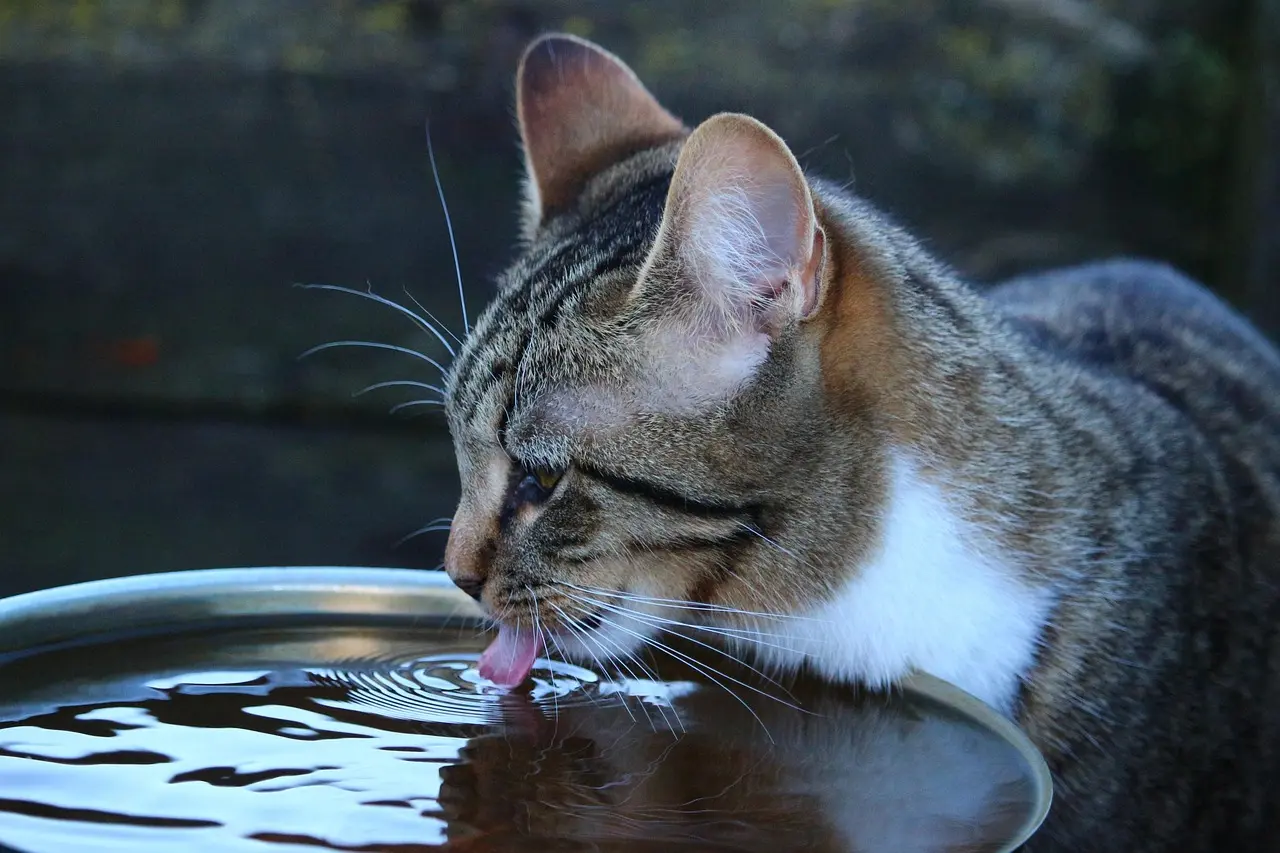
This is why many cats prefer drinking from running faucets or cat fountains rather than still water bowls. It's not about loving water, it's about instinct and control.
Playful Paw Dipping
Some cats enjoy patting at water, creating ripples, or even splashing:
- · They're in complete control of the interaction
- · Only their paw gets wet (minimal discomfort)
- · It's entertaining and stimulating
- · They can stop anytime
This playful behavior shows that cats don't hate water itself, they hate being fully wet and losing control.
Hot Weather Cooling
In extremely hot weather, some cats will tolerate water as a cooling mechanism:
- · May lie in shallow water
- · Allow gentle misting or dampening
- · Seek out cool, wet surfaces
Survival instincts override discomfort when temperatures are dangerous.
Breed-Specific Traits
As mentioned earlier, certain breeds with water-resistant coats or origins near water sources are more tolerant:
- · Turkish Vans have cashmere-like, water-repellent fur
- · Maine Coons have thick, water-resistant coats
- · These breeds may actively seek out water play
Genetics play a significant role in water tolerance.
Do Cats Need Baths?
Here's good news: most cats never need baths. Their self-grooming is incredibly effective, and bathing is rarely necessary unless:
When baths ARE necessary:
- · Your cat got into something toxic (oil, chemicals, paint)
- · They have a medical condition requiring medicated baths
- · They're unable to groom themselves (elderly, obese, or arthritic cats)
- · They have severe flea infestation
- · They have sticky or dangerous substances in their fur
- · They're being shown in cat shows (breed-specific requirements)
For regular maintenance, cats handle grooming themselves. Unnecessary baths can damage their coat's natural oils and increase stress.
How to Help a Cat Tolerate Water (If Necessary)
If you must bathe your cat or want to help them become more water-tolerant, here are gentle approaches:
1. Start Young and Go Slow
- · Introduce kittens to water gradually through play
- · Use positive reinforcement (treats, praise)
- · Keep early experiences brief and positive
- · Never force or rush the process
Even with early training, many cats will still dislike water, that's okay and normal.
2. Create a Calm Environment
- · Use lukewarm water (test with your wrist like baby bath water)
- · Place a rubber mat in the tub for secure footing
- · Keep water level shallow (just a few inches)
- · Speak calmly and reassuringly
- · Have everything prepared beforehand (no leaving them alone)
Understanding cat body language during the process helps you recognize stress signals early.
3. Use Alternatives When Possible
- · Waterless cat shampoos
- · Grooming wipes for spot cleaning
- · Professional groomers experienced with cats
- · Dry shampoo products
These alternatives can often handle minor cleaning needs without the trauma of a full bath.
4. Make It Quick
- · Have all supplies ready before starting
- · Work efficiently but gently
- · Focus on problem areas only (don't fully submerge if unnecessary)
- · Rinse thoroughly but quickly
- · Provide warm, dry towels immediately
The shorter the experience, the less stressful for your cat.
5. Positive Reinforcement
- · Offer favorite treats before, during, and after
- · Use a calm, soothing voice
- · Provide comfort and reassurance
- · End on a positive note
- · Allow them to retreat to a safe space afterward
Never punish or scold a stressed cat during bathing. If they're following you everywhere seeking comfort after a bath, it's because they need reassurance.
Interesting Water Facts About Cats
Tigers love to swim: Unlike domestic cats, tigers are strong swimmers who actively hunt in water and swim several miles at a time.
Fishing cats exist: The fishing cat (Prionailurus viverrinus) is a wild cat species that specializes in catching fish and spends much of its time in water.
Some cats fish: Maine Coons and Turkish Vans have been observed "fishing" with their paws in streams and ponds.
The wet cat smell: The distinct odor wet cats emit comes from bacteria on their skin being released when fur is saturated. Cats find this smell as unpleasant as we do.
Hydrophobic but not water-free: Despite water aversion, cats need fresh water daily. They're just selective about how they interact with it.
It Makes Sense When You Think About It
Cats aren't being dramatic about water. They evolved in deserts, their fur soaks up water like a sponge, getting wet makes them cold and slow, and it overwhelms their sensitive whiskers. Plus they already groom themselves for hours every day, they don't need our help staying clean.
Most cats will never need a bath in their lives. If yours gives you the death stare when you turn on the shower, now you know why, and they're not wrong.
Related Reading
Want to learn more about understanding your cat's behaviors and needs? Check out these related posts: