
 Dog Care
Why Does My Dog Lick Me? Decoding Your Dog's Kisses and What They Really Mean
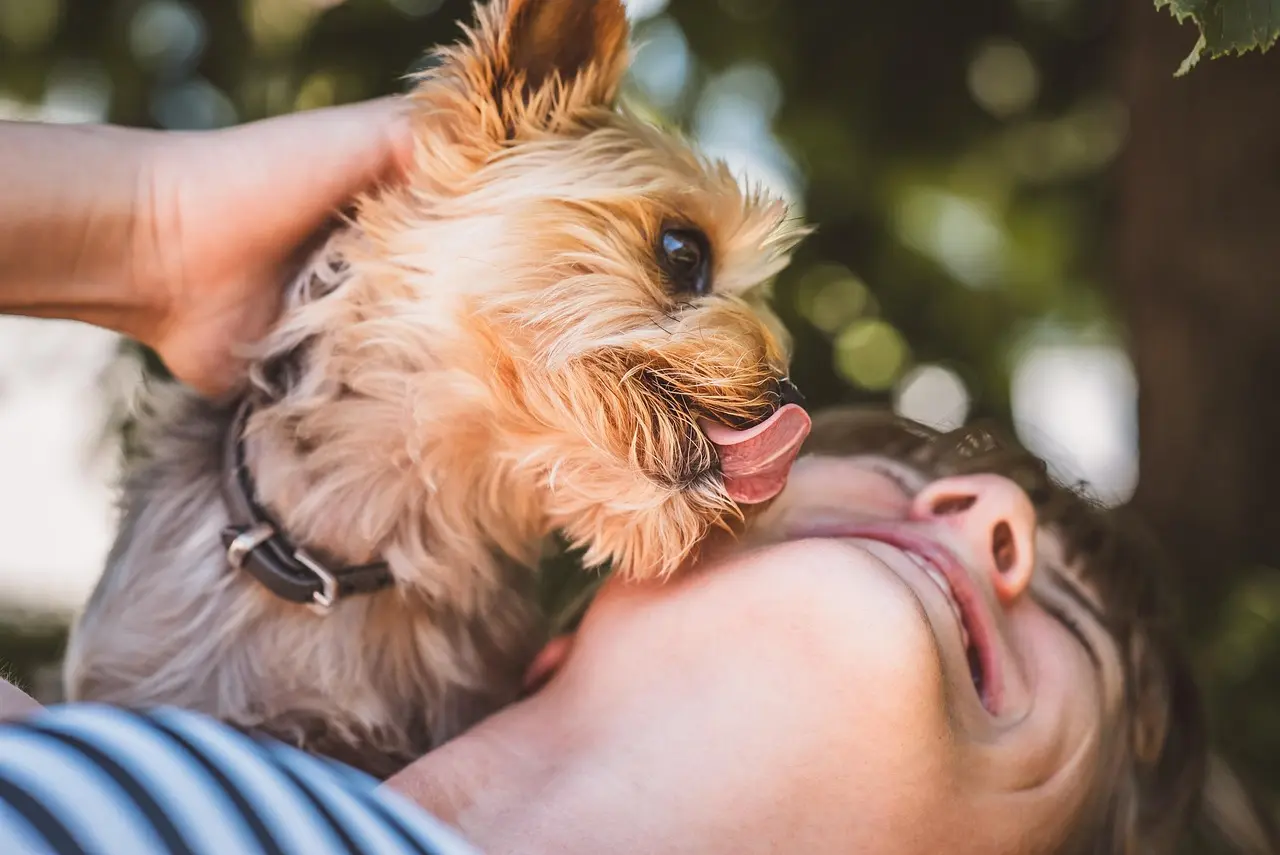
You settle onto the couch, and within seconds, your dog is there, tongue out, ready to shower you with wet, slobbery kisses. Your face, hands, feet, and sometimes even your ears become targets for this enthusiastic display of... what, exactly?
Licking is one of the most common things dogs do, and one of the most misunderstood. We assume it's all love, but dogs lick for a bunch of different reasons, and knowing which one can actually help you spot problems early.
Is It Normal?
Totally. It starts in puppyhood, mother dogs lick their pups to clean and stimulate them, and puppies lick their mother's face to signal hunger. It carries into adulthood as a core part of how dogs communicate. What matters is the context: when, where, and how intensely they're licking tells you a lot.
The Real Reasons Dogs Lick You
1. Showing Affection and Bonding
The most heartwarming reason: your dog genuinely loves you. Licking releases endorphins in dogs' brains, creating feelings of comfort and pleasure. When your dog licks you, they're experiencing a happy, bonded feeling similar to what they felt with their mother as a puppy.
Signs this is affection:
- · Relaxed body language, loose posture, wagging tail
- · Gentle, slow licks
- · Often accompanied by leaning against you or soft eye contact
- · Happens during calm, bonding moments
If your dog greets you with enthusiastic licks after you've been gone, they're essentially saying, "I missed you! I'm so happy you're home!"
2. Seeking Attention
Sometimes licking is your dog's way of saying, "Hey! Look at me! Pay attention to me!"
Dogs are smart. If they've learned that licking gets them attention, whether it's petting, talking, or even pushing them away, they'll continue the behavior. It's a form of communication that works.
Signs this is attention-seeking:
- · Licking increases when you're busy or distracted
- · Stops when you engage with them
- · May be accompanied by pawing, whining, or bringing you toys
- · Intensifies if ignored
This isn't manipulative; it's just effective communication. Your dog has learned that licking equals interaction, and dogs crave interaction with their favorite humans.
3. Tasting Something Interesting
Let's be honest: you probably taste interesting to your dog. Human skin carries salt from sweat, traces of food, lotion, soap, and countless other scents and flavors that fascinate dogs' incredibly sensitive senses.
Common licking targets:
- · Hands after you've eaten
- · Feet (yes, even the stinky ones, especially the stinky ones)
- · Face, particularly around the mouth
- · Legs after exercise (salty sweat)
Dogs have up to 300 million olfactory receptors compared to our measly 6 million. What seems like random licking to us might be your dog "reading" where you've been and what you've been doing.
4. Submissive or Appeasement Behavior
In dog language, licking can signal submission and respect. Puppies lick adult dogs' mouths as a sign of deference, and this behavior often transfers to human family members.
Signs this is submission:
- · Licking your face, especially around the mouth
- · Lowered body posture, ears back
- · Avoiding direct eye contact
- · Occurs after you've corrected them or raised your voice
- · May include a slightly tucked tail
This type of licking is your dog's way of saying, "You're the boss, and I respect that." It's a peacekeeping gesture meant to diffuse any tension. Understanding dog body language alongside the licking helps you interpret the full message.
5. Stress, Anxiety, or Nervous Behavior
While licking often signals positive emotions, it can also indicate stress or anxiety. Dogs sometimes lick as a self-soothing behavior, similar to how humans might bite their nails or fidget.
Signs this is anxiety:
- · Excessive, frantic licking
- · Licking during stressful situations (vet visits, thunderstorms, fireworks)
- · Accompanied by panting, pacing, or whining
- · Licking themselves excessively along with licking you
- · Tense body language, stiff posture, whale eye (showing whites of eyes)
If your dog's licking intensifies during stressful situations, they might be trying to calm themselves down. This is especially common in dogs who experience separation anxiety or general nervousness.
6. Showing Empathy and Comfort
Dogs are remarkably empathetic creatures. Research shows they can detect changes in human emotions through scent, facial expressions, and body language. If you're sad, stressed, or unwell, your dog might lick you as a way to comfort you.
Signs this is empathy:
- · Licking increases when you're upset or crying
- · Gentle, careful licks
- · Dog stays close and attentive
- · May rest their head on you while licking
This behavior shows the incredible emotional intelligence dogs possess. They're not just reacting to their own needs; they're trying to help you feel better.
7. Grooming You
In dog packs, grooming each other (allogrooming) is a bonding behavior that strengthens social connections. When your dog licks you persistently, they might be trying to "groom" you as they would a pack member.
Signs this is grooming:
- · Focused licking on one area (hands, face, hair)
- · Methodical, repetitive licking
- · Calm, relaxed demeanor
- · May follow up by resting near you
Your dog is essentially treating you as a member of their pack and caring for you the way they would another dog.
8. Exploring and Gathering Information
For dogs, licking is a way to explore and understand their environment. Puppies especially use their mouths and tongues to investigate new people, objects, and experiences.
Signs this is exploration:
- · Brief licks on different body parts
- · Accompanied by sniffing
- · Common with new visitors or after you return from somewhere new
- · Curious, alert body language
Your dog is gathering information about where you've been, what you've touched, and who you've been with, all through taste and scent.
9. Medical or Health Issues
While less common, excessive licking can sometimes indicate underlying health problems, either in your dog or something they're detecting in you.
Medical reasons for licking:
- · Nausea or gastrointestinal upset
- · Dental pain or oral discomfort
- · Obsessive-compulsive disorder (OCD) in dogs
- · Cognitive dysfunction in senior dogs
- · Detecting illness in you (dogs can smell chemical changes associated with some medical conditions)
If your dog's licking behavior suddenly changes dramatically or becomes excessive and compulsive, consult your veterinarian. Senior dogs experiencing cognitive decline may develop unusual licking patterns, learn more about caring for older dogs in our Senior Dog Care Guide.
When Dog Licking Becomes a Problem
While most licking is harmless, excessive licking can indicate issues that need addressing:
Compulsive Licking
If your dog licks constantly, compulsively, and can't seem to stop even when redirected, they might be experiencing:
- · Anxiety disorder
- · OCD-like behavior
- · Insufficient mental stimulation
- · Underlying medical issue
Compulsive licking often extends beyond licking people to licking furniture, floors, or themselves raw.
Hygiene and Health Concerns
Dog mouths contain bacteria that, while usually harmless, can occasionally cause infections, especially if you have open wounds or a compromised immune system. Excessive licking can also:
- · Transfer parasites or pathogens
- · Irritate sensitive skin
- · Become annoying or disruptive
If your dog licks excessively, it's worth discussing with your vet.
How to Manage Excessive Licking
If your dog's licking has become problematic, here are effective strategies:
1. Redirect the Behavior
When your dog starts licking, immediately redirect them to an appropriate activity:
- · Offer a chew toy or puzzle toy
- · Initiate a training session
- · Start a game of fetch or tug
- · Give them a mentally stimulating task
Consistency is key. Every time they lick, redirect to something else.
2. Train an Alternative Behavior
Teach your dog a specific command for when they want attention or affection:
- · Train "touch" (nose to hand) as an alternative to licking
- · Reward sitting calmly instead of licking
- · Use "leave it" command for excessive licking
- · Reinforce calm behavior with treats and praise
Check out our Puppy Training Guide for effective training techniques.
3. Ignore the Behavior
For attention-seeking licking:
- · Don't make eye contact
- · Don't speak to your dog
- · Don't push them away (this is still attention!)
- · Walk away calmly if licking continues
- · Only give attention when they stop licking
This teaches your dog that licking doesn't get the desired response.
4. Increase Physical and Mental Exercise
Bored or under-stimulated dogs often develop excessive licking habits:
- · Ensure adequate daily exercise
- · Provide mental stimulation through training and puzzle toys
- · Rotate toys to keep things interesting
- · Consider doggy daycare or play dates
A tired dog is typically a well-behaved dog.
5. Address Anxiety
If anxiety is the root cause:
- · Identify and minimize triggers
- · Create a safe, calm environment
- · Consider calming aids (thunder shirts, pheromone diffusers)
- · Consult with a veterinary behaviorist for severe cases
- · Never punish anxious behavior, it will make it worse
Anxiety requires patience, consistency, and sometimes professional help.
6. Maintain Good Health
Rule out medical issues:
- · Schedule a veterinary checkup
- · Ensure proper dental care, check our Dog Grooming Guide for dental tips
- · Monitor for signs of pain
- · Discuss any sudden behavioral changes with your vet
Sometimes what looks like a behavior problem is actually a health issue.
Should You Let Your Dog Lick You?
This is ultimately a personal choice. Consider:
Pros of allowing licking:
- · Strengthens your bond
- · Provides comfort to your dog
- · Is a natural form of canine communication
- · Can be sweet and endearing
Cons of allowing licking:
- · Hygiene concerns (especially face licking)
- · Can become excessive or annoying
- · May reinforce unwanted behavior
- · Not everyone enjoys it
Healthy compromise:
- · Allow licking in specific contexts (greeting, bonding time)
- · Discourage face licking if hygiene is a concern
- · Set boundaries (hands okay, face not okay)
- · Always wash hands after extensive licking sessions
- · Never allow licking of open wounds or near eyes/mouth if you have health concerns
Understanding Your Individual Dog
Every dog is unique. Some breeds are naturally more "licky" than others. Labrador Retrievers, Golden Retrievers, and other sporting breeds tend to be especially affectionate lickers, while some breeds are more reserved.
Pay attention to your individual dog's patterns:
- · When do they lick most?
- · What triggers the behavior?
- · What is their body language telling you?
- · Has the behavior changed recently?
Understanding your specific dog's communication style helps you respond appropriately.
What It Comes Down To
Licking is communication. Your dog is telling you something, love, hunger, stress, "you taste like chips." Most of the time it's harmless and sweet. If it turns compulsive or comes with other weird behavior, get your vet involved.
Otherwise, accept the slobber (or set some boundaries). Your dog just wants to be close to you, and a wet face is the price of admission.
Related Reading
Want to learn more about understanding your dog's behavior? Check out these related posts: