
 Dog Care
Why Do Dogs Get the Zoomies? What's Behind the Sudden Sprinting
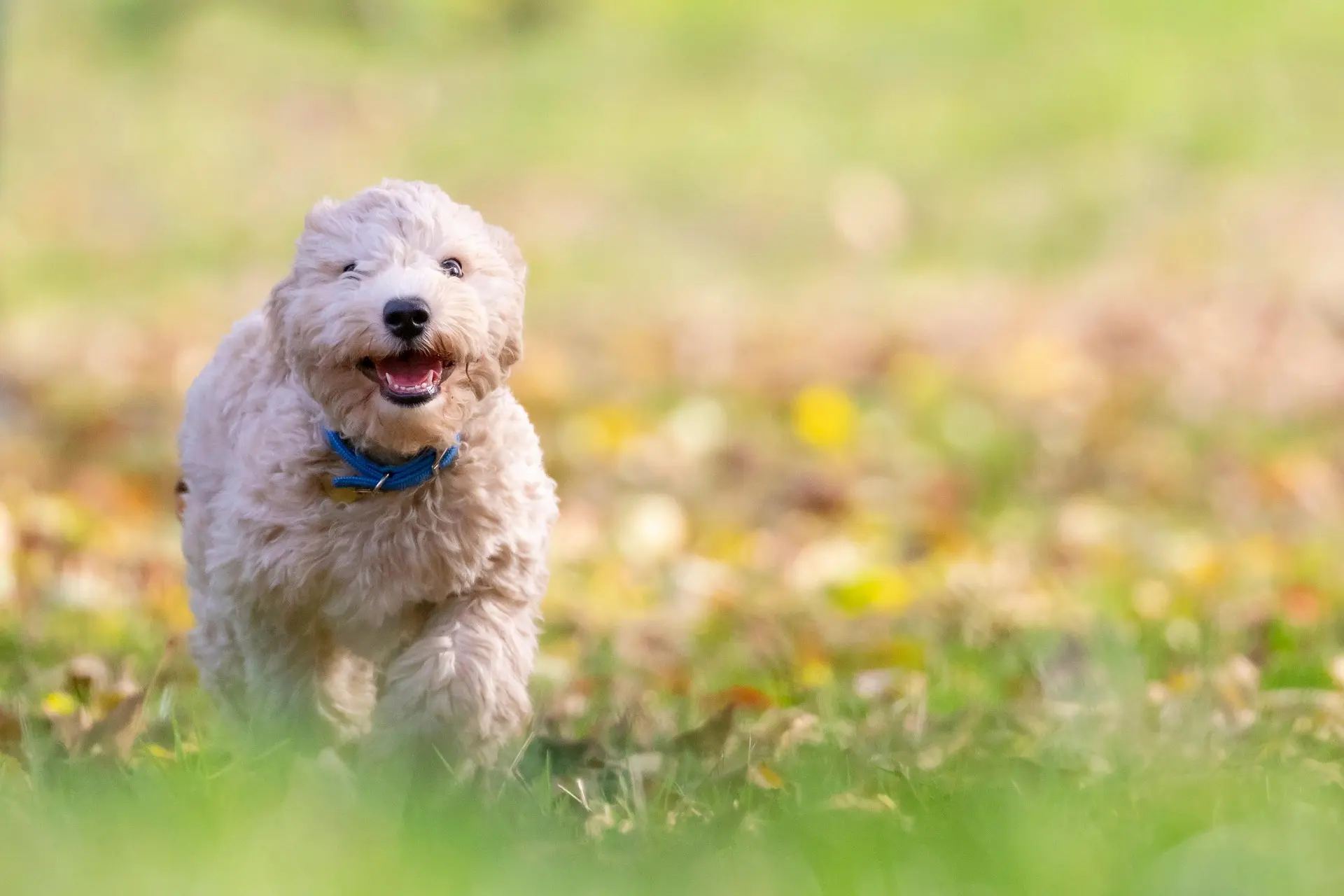
You're sitting on the couch. Your dog is lying at your feet. Everything is calm. Then something happens in their brain, and suddenly they're sprinting in circles around the living room, launching off the sofa, skidding around corners, and then flopping down panting like they just ran a 5K.
This is the zoomies. Officially known as Frenetic Random Activity Periods, or FRAPs. And while it looks chaotic, there's usually a pretty straightforward explanation.
It's Pent-Up Energy Finding an Exit
Dogs are built for movement. Even calm, low-key breeds still carry a base level of physical and mental energy that needs somewhere to go. When that energy builds up over a long stretch of rest, play, or inactivity, the zoomies are often the result.
It's a release valve. The body says "we've been still long enough" and the dog just... goes. Full speed, no warning, zero regrets.
This is especially common in younger dogs and puppies, who generate more energy than they know what to do with and haven't yet developed much impulse control. But dogs of all ages and breeds get zoomies.
After Being Cooped Up or Confined
One of the most reliable triggers is a period of confinement. Your dog was in a crate, indoors all day, in the car for a long drive, or at the vet. Then they get outside or into open space and their whole body needs to process that freedom.
The post-vet zoom is a classic. So is the first five minutes at the dog park. The physical environment changed from restricted to open, and the body responds immediately.
The Bath Zoomies Are Their Own Category
If you've bathed your dog, you know. The moment you let them out of the tub, they explode. Running, rolling, wiping themselves on every surface they can find, generally acting like they just survived something.
There's more than one thing happening here. Part of it is relief that the bath is over. Part of it is the physical sensation of being wet and wanting to dry off quickly. Part of it might be trying to get their own scent back after being washed with unfamiliar smells. And part of it is probably just that baths produce a very specific kind of pent-up energy that needs immediate release.
It's harmless, it's hilarious, and almost every dog does it.
After a Poop
Post-poop zoomies are real and extremely common. Dogs often sprint away from where they've gone, sometimes starting before they've even finished.
This likely has roots in survival instinct. In the wild, eliminating in one spot leaves a scent signal that announces your presence. Getting away from that spot quickly was a sensible thing to do. Many domestic dogs still carry that impulse, even though the biggest predator in their environment is a Roomba.
The vagus nerve may also play a role. Defecation stimulates the vagus nerve, which can produce a sudden wave of physical sensation that some dogs apparently need to run off immediately.
Excitement and Anticipation
Zoomies often happen in the lead-up to something exciting, not just after it. A dog who sees the leash come out, hears the word "walk," or notices you putting on your shoes may start zooming before anything has even happened.
This is excitement that can't wait. The body is already primed to go, and the movement is just the energy spilling over before the actual event begins.
Greetings can trigger this too. Some dogs zoom when their favorite person comes home, when a familiar dog shows up, or right before a play session kicks off.
Social Play and Invitation
Zoomies are also used as a play invitation between dogs. A dog who suddenly takes off at full speed in front of another dog is often saying "chase me." It's one of the clearest play-initiation behaviors in the canine social repertoire.
This can happen with people too. If your dog zooms past you repeatedly and keeps glancing back, they're inviting you to join. You're not obligated, but they'd appreciate it.
Does Breed or Age Change It?
Quite a bit.
High-energy breeds (Border Collies, Australian Shepherds, Vizslas, huskies, retrievers) tend to zoom more because they have more baseline energy to release.
Puppies zoom constantly. They're building muscle, learning their own bodies, and have very little ability to self-regulate. Multiple zoomies a day is completely normal.
Senior dogs zoom less, and when they do it can be more noticeable because it's out of character. A sudden burst of energy in an older dog who is usually calm is usually fine, but if it's accompanied by other changes, it's worth mentioning to a vet.
Calmer breeds (Basset Hounds, Bulldogs, some toy breeds) still zoom, just less frequently and usually with less speed.
Is It Ever a Problem?
Mostly no. Zoomies are a normal, healthy behavior and usually nothing to worry about.
A few situations where it's worth paying closer attention:
If it happens constantly, multiple times a day, without obvious triggers. This could indicate the dog isn't getting enough physical or mental stimulation and is releasing frustration rather than just excess energy.
If they're injuring themselves. Most zoomies happen in open spaces and resolve safely, but a dog zooming indoors around furniture or on slippery floors can hurt themselves. If this is happening regularly, creating a safer outlet (outside, on grass, in a clear room) makes sense.
If the zoomies are in a senior dog and came on suddenly alongside other changes. A sudden increase in restless energy in an older dog can sometimes point to pain, cognitive changes, or a medical issue worth investigating. Check our guide on senior dog health for what to watch.
If they seem distressed rather than joyful. Zoomies are supposed to look like fun. If your dog seems anxious or scared during the frantic movement rather than energized, it might be a stress response rather than a happy one. Body language tells you a lot: a happy zoom has loose, bouncy movement and a relaxed face, while a stressed response tends to look more rigid and frantic.
How to Handle the Zoomies
Let it happen when it's safe. If you're outside or in a clear space, just step aside and let them run. It usually burns out in one to three minutes. Trying to stop them tends to make it last longer.
Redirect indoors zoomies outside. If your dog starts zooming inside, open the door and get them into the yard. They'll finish out there.
Don't chase them. Chasing a zooming dog is adding fuel to the fire. They'll run faster and longer if you're actively participating.
Build in better outlets before they need to zoom. A dog who gets a good walk, a training session, or a solid play session earlier in the day tends to zoom less dramatically later. The energy is getting used in smaller increments rather than storing up.
If your dog regularly zooms at night, the same approach works well as it does for cats: a solid play session and a meal in the evening helps shift their rest cycle to align better with yours. Our guide on mental stimulation for dogs covers how to use their brain as well as their body, which is often more effective than just physical exercise.
The Bottom Line
The zoomies are your dog being a dog. It's energy, it's joy, it's instinct, and it's completely normal. The sprint laps and the skidding and the sudden stop to pant are just what happens when a physically capable animal has built up a head of steam and needs to spend it.
Enjoy it. Take a video. Step out of the way.
Unless it's 2am and they're doing it on your bed. In that case, more exercise before bedtime.
Related Reading
- · Dog Body Language: What Your Dog Is Really Telling You
- · Why Your Dog Needs Mental Stimulation
- · How to Help an Anxious Dog: Signs, Causes, and Calming Strategies
- · Senior Dog Care: Health Issues to Watch For
- · Why Does My Dog Follow Me Everywhere? Velcro Dogs Explained
- · Puppy Training: Essential Commands for Safety