
 Cat Care
Why Does My Cat Hide? What It Means and When to Be Concerned
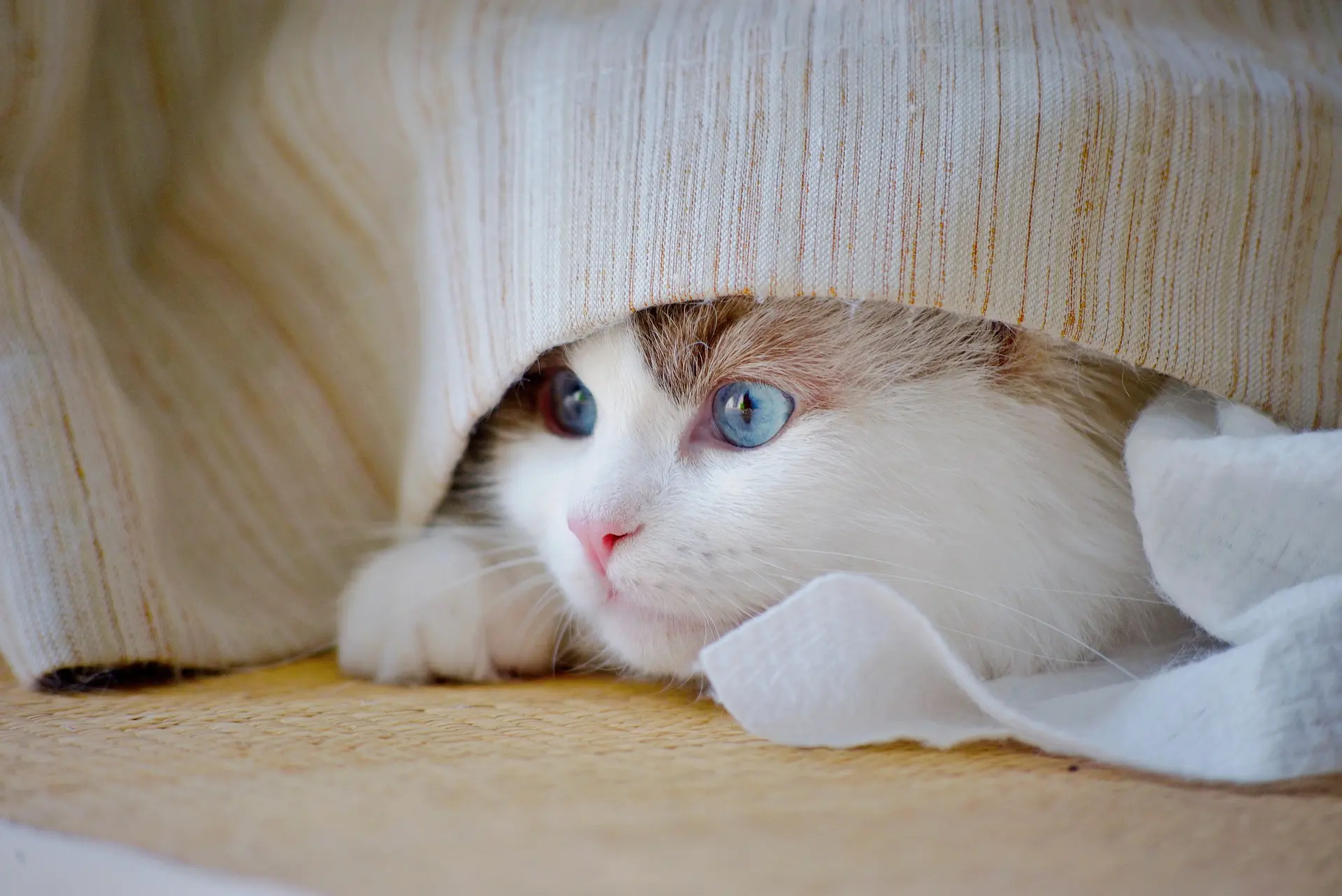
You call your cat's name. No response. You check the bed, the wardrobe, behind the sofa, under the bath. Eventually you find them tucked into the back of a cupboard they've never shown interest in before, completely still, watching you with wide eyes.
Hiding is normal cat behavior. But the context matters enormously. A cat hiding during a thunderstorm is doing something very different from a cat who has been hiding for two days and stopped eating. Knowing what's driving it is the difference between giving your cat the space they need and catching a health problem early.
Hiding Is Natural Cat Behavior
Cats are both predators and prey animals. That dual role means they're wired to seek enclosed, elevated, or concealed spaces where they can observe without being observed. A hiding spot isn't a sign of fear or distress by itself. For many cats, having a good hiding spot is simply part of feeling comfortable in a space.
An indoor cat who has access to spots that feel safe and contained, under a bed, inside a wardrobe, in a cardboard box, is a cat whose environment is meeting a genuine need. This is healthy. The hiding becomes information when the pattern changes.
Common Reasons Cats Hide
Stress or a change in the environment. This is the most frequent trigger. A new person in the home, a new pet, moving furniture, renovation noise, a change in your schedule, or anything that disrupts the familiar can send a cat into retreat. Cats have a strong attachment to routine and territory, and significant changes feel genuinely threatening until they've had time to assess them.
Overstimulation or social overload. Cats are not universally social animals. For many cats, a house full of guests, a noisy party, or a prolonged visit from unfamiliar people is exhausting. Hiding is a reasonable self-regulation strategy. The cat is removing themselves from an overwhelming situation rather than escalating into visible distress.
Fear response to a specific event. Fireworks, thunderstorms, construction noise, arguments, or any sudden loud or disorienting event can trigger a hiding response that lasts hours or even a day. The cat is waiting for the threat to pass. This is normal and usually resolves when the trigger does.
They're not feeling well. Cats instinctively hide when they're sick or in pain. In the wild, vulnerability to predators increases when an animal is unwell, and concealment is a protective response. A cat who is hiding for this reason often looks different from a cat who is hiding from stress. They may be less alert, their posture may be tighter or hunched, and they may not come out even for food.
A female cat in heat or a cat who is pregnant. Cats nearing birth typically seek out a concealed, quiet space. If you have an unspayed female cat who has started hiding, this is worth considering.
Post-veterinary hiding. A vet visit is stressful and involves unfamiliar handling, smells, and environments. Many cats hide when they come home, sometimes for the rest of the day. This is a decompression response and usually resolves within a few hours.
What to Do When Your Cat Hides
Don't force them out. A hiding cat is managing their stress in the most effective way they know how. Reaching into their hiding spot, pulling them out, or following them from hiding place to hiding place increases their anxiety rather than reducing it. Give them the space they're asking for.
Don't block the exit. If your cat is hiding behind something or in an enclosed space, make sure they can get out when they're ready. A trapped cat escalates quickly from anxious to genuinely panicked.
Keep noise and activity calm. If the hiding is related to something happening in the home, reducing the stimulus helps the cat feel safe enough to come out sooner.
Offer food and water nearby. A cat who is hiding from stress will usually emerge for food on their own terms. Placing a bowl close to their hiding spot gives them access without forcing interaction.
Let them come out when they're ready. For most stress-related hiding, the cat will re-emerge once they've satisfied themselves that the threat has passed. Trying to coax them out before they're ready often prolongs the retreat.
When Hiding Needs Attention
The key question is whether this is new behavior or a change from your cat's normal.
A cat who hides occasionally, particularly in predictable contexts, is behaving normally. A cat who has suddenly started hiding much more than they used to, particularly without an obvious environmental trigger, warrants a closer look.
Seek veterinary advice if:
- · The hiding lasts more than 24 to 48 hours with no improvement
- · The cat is not coming out to eat, drink, or use the litter box
- · You notice changes alongside the hiding: lethargy, labored breathing, vomiting, changes in coat quality, or any visible signs of pain
- · The behavior is new in a cat who didn't hide before, especially a senior cat
- · The cat reacts when touched in a specific area, or resists being touched when they normally wouldn't
Prolonged hiding combined with reduced appetite is one of the most common early indicators that something is physically wrong. Cats hide their illness very effectively. That's exactly why a change in hiding behavior is worth taking seriously.
Hiding in Senior Cats
Older cats who start hiding more frequently, particularly if it's accompanied by confusion, disorientation, or changes in sleep patterns, can be showing early signs of feline cognitive dysfunction. Cats can develop a condition similar to dementia, and behavioral changes like increased hiding, altered routines, and seeming lost in familiar spaces are some of the first signs.
If your senior cat's hiding pattern has changed and you're noticing other behavioral shifts, it's worth bringing up with your vet rather than attributing everything to old age.
Keeping a log of when the hiding is happening, what preceded it, and how long it lasts can help you spot patterns that are hard to track in memory. PawTrack lets you record those behavioral observations over time, which is particularly useful for senior cats where gradual changes can be easy to miss until they're significant.
The Bottom Line
Hiding is normal. A cat who hides during a storm, retreats when guests arrive, or spends a day tucked away after a stressful vet visit is doing exactly what cats do.
What's worth your attention is a change. More hiding than usual, hiding without a clear reason, hiding combined with not eating or drinking, or hiding that doesn't resolve in a reasonable timeframe are all signals that something has shifted. In most cases the cause is stress you can identify and address. In some cases it's something physical that needs a vet.
Your cat isn't being difficult when they hide. They're managing something the best way they know how. The job is to understand which kind of managing it is.