
 Cat Care
Understanding Cat Body Language: Decode What Your Feline Is Really Saying
I spent years misreading my cat. I'd pet her when she was annoyed, miss signs she wanted to play, and get scratched because I ignored the tail swish. Once I actually learned what she was telling me, everything changed, fewer scratches, more cuddles, and a cat that clearly trusted me more.
Cats communicate constantly through body language. They're just quieter about it than dogs, so you have to pay closer attention.
The Tail: Your Cat's Emotional Barometer
A cat's tail is one of the most expressive parts of their body. Pay close attention to both position and movement.
Tail Held High (Vertical)
- · What it means: Confidence, happiness, and friendliness
- · Context: A cat approaching you with their tail straight up like a flagpole is greeting you with affection
- · Bonus sign: If the tip curls slightly forward, it's an extra friendly "hello!"
This is one of the best signs you can see. Your cat feels safe, content, and happy to see you.
Tail Puffed Up (Bottlebrush)
- · What it means: Fear, aggression, or extreme surprise
- · Context: The cat is trying to appear larger to intimidate a threat
- · What to do: Give your cat space and remove the source of stress if possible
This dramatic response is often seen when cats are startled. If you've ever wondered why cats are afraid of cucumbers, this puffed-tail reaction is exactly what happens when they're unexpectedly frightened.
Tail Low or Tucked
- · What it means: Fear, insecurity, or submission
- · Context: Your cat feels threatened or uncomfortable
- · What to do: Proceed slowly and gently; don't force interaction
A tucked tail indicates your cat wants to make themselves smaller and less noticeable.
Tail Swishing or Thrashing
- · What it means: Irritation, overstimulation, or hunting focus
- · Context: Rapid, forceful movements mean "back off" or "I'm done being petted"
- · What to do: Stop whatever you're doing and give your cat space
Unlike dogs, whose wagging tails indicate happiness, a cat's thrashing tail is a warning sign. Ignore it at your own risk!
Tail Wrapped Around Body
- · What it means: Contentment while resting, or nervousness in unfamiliar situations
- · Context: Often seen when cats are sleeping or sitting calmly
A wrapped tail while relaxed indicates comfort, but the same position in a tense situation suggests insecurity.
The Ears: Mood Indicators
Cat ears are incredibly mobile, with 32 muscles controlling each ear. They can rotate 180 degrees and move independently, making them excellent mood indicators.
Ears Forward
- · What it means: Alert, interested, and content
- · Context: Your cat is engaged with their environment in a positive way
- · What to do: This is a great time for interaction and play
Forward ears indicate your cat is relaxed and open to engagement.
Ears Flat Against Head (Airplane Ears)
- · What it means: Fear, aggression, or defensiveness
- · Context: Your cat is preparing to fight or flee
- · What to do: Back away slowly and reduce the threat
The flatter the ears, the more frightened or aggressive your cat is feeling. When introducing a cat to a dog, watch for this signal carefully.
Ears Rotating/Swiveling
- · What it means: Active listening and environmental scanning
- · Context: Your cat is monitoring multiple sounds
- · What to do: Normal behavior; your cat is simply staying aware
This constant ear movement is how cats stay alert to their surroundings, even during rest.
Ears Slightly Back
- · What it means: Mild irritation, nervousness, or overstimulation
- · Context: Your cat is becoming uncomfortable
- · What to do: Ease off on petting or interaction
This is an early warning sign before ears go fully flat.
The Eyes: Windows to Your Cat's Soul
Eye contact and pupil size reveal a lot about your cat's emotional state.
Slow Blink
- · What it means: Trust, affection, and contentment (the "cat kiss")
- · Context: Your cat is telling you they love and trust you
- · What to do: Slow blink back to return the affection
This is one of the most endearing cat behaviors. If your cat follows you everywhere and gives you slow blinks, you've earned their complete trust.
Dilated Pupils (Large and Round)
- · What it means: Excitement, fear, playfulness, or aggression
- · Context: Depends on other body language cues
- · What to do: Assess the situation, is your cat playing or scared?
Dilated pupils during play are normal. Dilated pupils combined with flattened ears indicate fear or aggression.
Constricted Pupils (Narrow Slits)
- · What it means: Intense focus, aggression, or bright light
- · Context: Often seen during hunting behavior or confrontation
- · What to do: If paired with tense body language, give space
Narrow pupils can indicate your cat is about to pounce, either on a toy or on a perceived threat.
Prolonged Stare
- · What it means: Challenge, aggression, or intense focus
- · Context: In cat language, staring is confrontational
- · What to do: Avoid staring contests with unfamiliar cats
If a cat stares at you without blinking, they may see you as a threat. Break eye contact and slow blink to show you're friendly.
Half-Closed Eyes
- · What it means: Relaxation, contentment, and trust
- · Context: Your cat is comfortable in your presence
- · What to do: This is a great time for gentle petting
Sleepy, half-closed eyes indicate your cat feels completely safe with you.
Body Posture: The Full Picture
Understanding how your cat holds their entire body provides crucial context.
Relaxed and Stretched Out
- · What it means: Complete comfort and trust
- · Context: Exposing the belly shows vulnerability
- · Important note: Belly exposure doesn't always mean "pet my belly", it often means "I trust you enough to show my vulnerable side"
A cat sprawled out in a sunny spot is experiencing peak feline contentment. This relaxed posture is common during their extensive sleep periods.
Arched Back with Puffed Fur
- · What it means: Fear and defensive aggression
- · Context: The "Halloween cat" pose, trying to appear larger
- · What to do: Remove the threat and give your cat escape routes
This iconic pose shows your cat is terrified and will defend themselves if cornered.
Crouched Low with Tense Muscles
- · What it means: Hunting mode or fear/submission
- · Context: Could be stalking prey or preparing to flee
- · What to do: If hunting, engage with a toy; if fearful, provide safety
A crouched cat is either about to pounce playfully or is trying to make themselves small and unnoticeable.
Rolling on Back
- · What it means: Playfulness, trust, or invitation to play
- · Context: Often seen during relaxed, happy moments
- · Caution: This isn't always an invitation for belly rubs, many cats will grab and bunny-kick your hand
Learn your individual cat's preferences. Some cats love belly rubs; others see it as a trap.
Rubbing Against You or Objects
- · What it means: Scent marking and affection
- · Context: Cats have scent glands on their cheeks, chin, and flanks
- · What to do: Enjoy the affection, you've been claimed!
When cats rub against you, they're marking you with their scent, essentially saying "you're mine." This is closely related to why cats knead, another territorial and affectionate behavior.
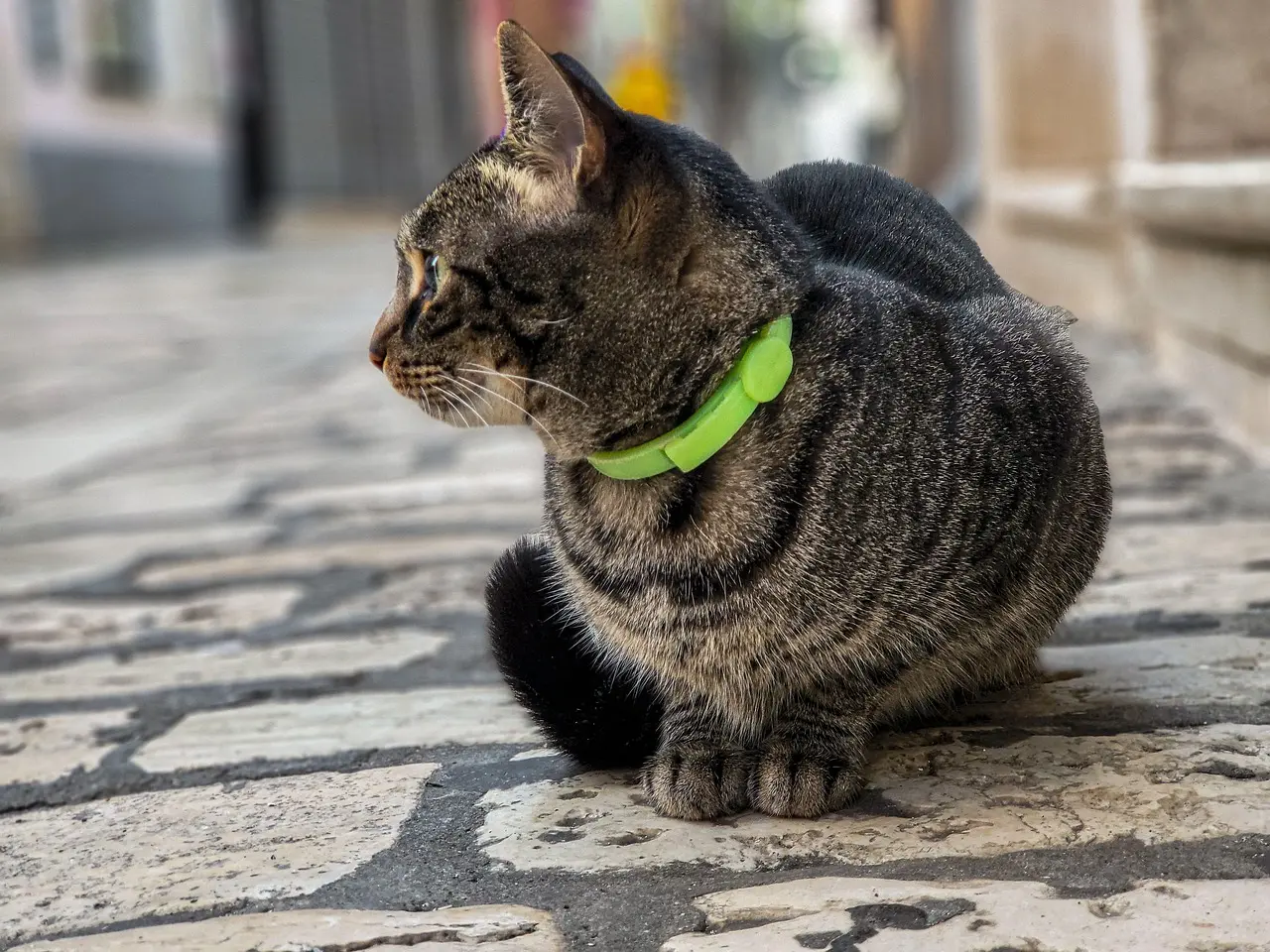
Loaf Position (Tucked Paws)
- · What it means: Contentment and comfort, but alert
- · Context: The "cat loaf" means your cat is relaxed but ready to move if needed
- · What to do: Let them be, they're comfortable
This adorable position shows your cat feels safe enough to rest but is maintaining awareness.
Vocalizations and Body Language Together
Cats use vocalizations alongside body language for clearer communication.
Purring
- · Typical meaning: Contentment and happiness
- · Body language: Relaxed posture, kneading, slow blinking
- · Exception: Cats also purr when stressed or in pain as a self-soothing mechanism
Always consider context, a purring cat at the vet with tense body language is likely stressed, not happy.
Hissing or Growling
- · Meaning: Fear, aggression, or warning
- · Body language: Flattened ears, arched back, dilated pupils
- · What to do: Back away immediately and give space
These are clear "stay away" signals. Respect them to avoid getting scratched or bitten.
Chirping or Chattering
- · Meaning: Excitement or frustration (often directed at prey animals)
- · Body language: Fixed stare, twitching tail, crouched position
- · Context: Usually seen when watching birds or squirrels through a window
This fascinating behavior shows your cat's hunting instincts kicking in.
Meowing
- · Meaning: Varies widely, greeting, request, complaint
- · Context: Cats primarily meow to communicate with humans, not other cats
- · Body language: Pay attention to tail, ears, and eyes for full meaning
Each cat develops unique meows for different requests. Over time, you'll learn your cat's personal vocabulary.
Kneading and Scratching Behaviors
Kneading ("Making Biscuits")
- · What it means: Extreme contentment, marking territory, comfort-seeking
- · Body language: Relaxed face, purring, half-closed eyes
- · Context: Often done on soft surfaces or favorite humans
Kneading is a holdover from kittenhood and one of the clearest signs your cat feels safe and loved.
Scratching Furniture or Posts
- · What it means: Territory marking, nail maintenance, stretching
- · Body language: Focused, satisfied expression afterward
- · What to do: Provide appropriate scratching posts and redirect
If scratching is becoming problematic, check out our guide on how to stop cat scratching on furniture while still meeting their natural needs.
Reading the Full Context
The key to understanding cat body language is looking at the whole picture. Never interpret a single signal in isolation:
Happy, Relaxed Cat:
- · Tail up or loosely curved
- · Ears forward
- · Slow blinking or half-closed eyes
- · Relaxed, stretched-out body
- · Purring, kneading, or chirping
Scared or Anxious Cat:
- · Tail low, tucked, or puffed
- · Ears flat or rotating nervously
- · Wide, dilated pupils
- · Crouched or tense body
- · May hiss, growl, or stay silent
Angry or Aggressive Cat:
- · Tail thrashing or puffed
- · Ears flat against head
- · Constricted or dilated pupils with intense stare
- · Arched back or tense, forward-leaning posture
- · Hissing, growling, or yowling
Playful Cat:
- · Tail up or twitching excitedly
- · Ears forward
- · Dilated pupils
- · Wiggling rear before pouncing
- · Chirping or silent focus
Respecting Your Cat's Boundaries
Understanding body language isn't just about knowledge, it's about respect. When your cat signals discomfort, honor it:
- · Stop petting when the tail starts thrashing
- · Don't corner a cat showing fear signals
- · Provide escape routes and high perches
- · Let your cat approach you when they're ready
- · Never force interaction with a scared or angry cat
Respecting boundaries builds trust and strengthens your bond. Cats remember how you respond to their communication.
Individual Differences
Just like humans, every cat is unique. Some cats are naturally more vocal, some have permanently dilated pupils due to eye conditions, and some have "resting grumpy face" despite being perfectly content.
Spend time observing your individual cat's baseline behavior so you can recognize when something changes. What's normal for one cat might be unusual for another.
Why This Matters
Once you can read your cat's body language, your whole relationship shifts. You'll know when to pet and when to back off, when they're playful vs. stressed, and you'll catch health changes earlier.
When your cat walks up with tail high, slow-blinks at you, and starts kneading your lap while purring, you'll know exactly what that means. And it's a pretty great feeling.
Related Reading
Want to learn more about understanding your feline friend? Check out these related posts:
- · Why Do Cats Purr? The Science Behind Your Cat's Motor
- · Why Do Cats Knead? Understanding 'Biscuit-Making' Behavior
- · Why Does My Cat Follow Me Everywhere?
- · How to Introduce a Cat to a Dog (Safely and Successfully)
- · Why Do Cats Sleep So Much? Understanding Sleep Patterns
- · How to Stop Cat Scratching: Protecting Your Furniture