
 Dog Care
Why Does My Dog Dig? What's Behind the Holes and How to Redirect It
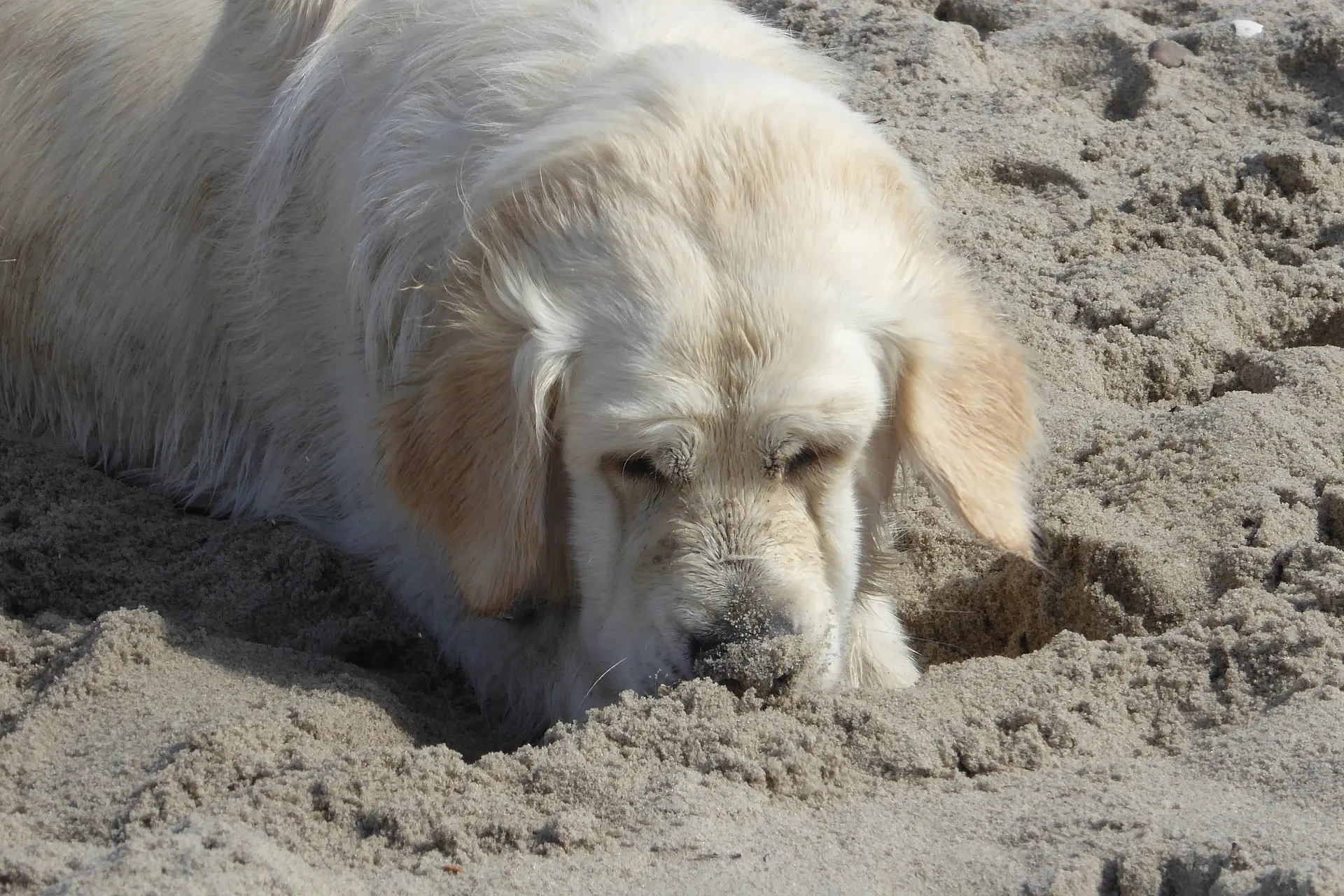
There's a hole where your flower bed used to be. Your dog is nearby, paws caked in dirt, looking extremely pleased with themselves. You've filled the hole three times. There's a fourth hole two feet away.
Digging is one of the most commonly complained-about dog behaviors, and it's also one of the most misunderstood. Dogs don't dig to be destructive. They dig because several very legitimate things drive them to, and understanding which one applies to your dog is the only way to actually address it.
Some Breeds Were Literally Built for This
The first thing to understand is that for certain breeds, digging isn't a behavior problem. It's a job description.
Terriers, as a group, were bred to hunt vermin that lived underground. Jack Russell Terriers, Fox Terriers, Scottish Terriers, Cairn Terriers, Dachshunds (technically a hound but bred for the same purpose): these dogs were selected over generations specifically for their willingness and ability to dig into the earth after prey. The instinct is so deep in some lines that terriers will dig through concrete given sufficient motivation.
Nordic breeds like Huskies and Malamutes dig to create cool resting spots in warm climates, a behavior rooted in their origins as working dogs in variable terrain. Herding breeds and sporting dogs also tend toward higher digging rates.
If you have a terrier and you're surprised they dig, the breed history explains everything. The question is never really "why does my terrier dig?" but "where would I like them to dig?"
They're Following a Scent or Sound
Dogs have noses far more sensitive than ours and can detect animals moving underground. Moles, voles, gophers, groundhogs, and other burrowing animals leave trails of scent through the soil that a dog can follow. What looks like random digging in your yard is often a dog systematically tracking something they can smell or hear moving beneath the surface.
This is more common in certain spots: along fence lines where rodents travel, near the roots of trees where they nest, in garden beds where the loosened soil is easier to work through.
If your dog keeps returning to the same specific spots, there may genuinely be something living there.
They're Managing Temperature
Dogs don't sweat through their skin the way humans do. In warm weather, digging down a few inches exposes cooler, damp soil that the dog can lie against to reduce their body temperature. It's an effective and instinctive cooling strategy.
If your dog is digging and then lying in the holes rather than abandoning them, temperature regulation is likely a major factor. You'll see this most in summer, in open areas with direct sun, and in breeds with dense coats or flat faces who struggle more with heat.
Providing adequate shade, a paddling pool, or a cool indoor space during hot weather reduces this motivation significantly.
They're Bored or Under-Stimulated
A dog with nothing to do will find something to do. Digging is physically engaging, mentally engaging (there might be something down there), and produces visible results. For a bored dog, it ticks a lot of boxes.
This type of digging tends to be more random and exploratory rather than focused on specific spots. The dog will dig in several places, try new areas, and seem generally restless alongside the digging rather than intent on a specific target.
The fix here isn't managing the digging directly. It's addressing the boredom. More physical exercise, more mental stimulation through training and puzzle feeders, and more engaged interaction with you will reduce the overall urge to self-generate stimulation through hole-making.
They're Anxious
Dogs who are anxious, particularly those experiencing separation anxiety or general stress, sometimes dig as a displacement behavior. The physical activity is a way of processing the tension.
Anxiety-driven digging often happens specifically when the dog is alone or in high-stress situations. You'll find new holes after you've been out rather than throughout the day. The digging may be near the fence or exits, a sign the dog is trying to escape rather than explore.
If the digging pattern is strongly tied to your absence or to specific triggers, addressing the underlying anxiety is more effective than any digging-specific intervention. Our guide on anxious dogs covers where to start.
They're Hiding or Retrieving Things
Dogs have a natural caching behavior, burying food or valuable objects for later. Even a dog who has no need to save food will sometimes bury bones, toys, or treats out of instinct. The burying is followed eventually by the retrieving, which often means digging up the same spot.
This is benign and normal. The practical issue is usually that they're burying things in your garden rather than somewhere more convenient. Giving them a consistent "digging spot" can help redirect it.
How to Actually Address It
Figure out which type you're dealing with. The approach for a terrier following prey scent is different from the approach for a bored Labrador and different again from an anxious dog digging by the fence. Match the intervention to the cause.
Create a designated digging zone. For dogs with strong digging drives who aren't going to stop entirely, the most realistic solution is giving them a place they're allowed to dig. A sandbox or a defined section of the yard, loosened soil or sand, encourages them to dig in one place. You can make it more appealing by burying treats or toys for them to find. Most dogs will gravitate toward it once they learn it's where the interesting finds are.
Bury deterrents in high-value holes. Filling a repeatedly dug spot with chicken wire just below the surface, or placing flat rocks over it, makes that specific location less rewarding. Dogs tend to move to less resistant soil. Note: this addresses the spot, not the underlying behavior.
Eliminate the trigger where possible. If it's heat-driven, provide shade and cooling options. If it's boredom, increase exercise and enrichment. If it's prey animals living in your yard, removing the attractant (or accepting coexistence) is more effective than punishing the dog for noticing they're there.
Don't punish after the fact. A dog who dug an hour ago doesn't connect your current frustration to that event. Punishment after the fact teaches nothing and can damage trust without addressing the behavior.
Increase supervision and interrupt early. If you can catch the dog beginning to dig, interrupting with a redirect to an approved activity and rewarding that is more effective than any consequence after the hole is made.
When Digging Is New Behavior in an Older Dog
If a dog who has never been a digger starts digging suddenly, especially if paired with other behavioral changes or restlessness, it can occasionally indicate discomfort or a cognitive change. Senior dogs developing dementia sometimes engage in repetitive digging behavior. It's worth noting alongside other changes if this fits your situation.
If you're tracking your dog's behavioral patterns and want to log when and where digging is happening to identify triggers, PawTrack lets you record those observations over time so patterns become visible.
The Bottom Line
Your dog digs because something in their biology, their environment, or their emotional state is driving them to. They're not doing it to ruin your garden. They're hunting, cooling down, caching food, managing boredom, or working out stress.
You can reduce most digging significantly by identifying the cause and addressing it directly. You probably won't eliminate it entirely, and with some breeds you shouldn't expect to. The goal is redirecting a very natural dog behavior toward somewhere you can both live with.