
 Dog Care
Why Does My Dog Roll in Dead Things? The Science Behind the Smell
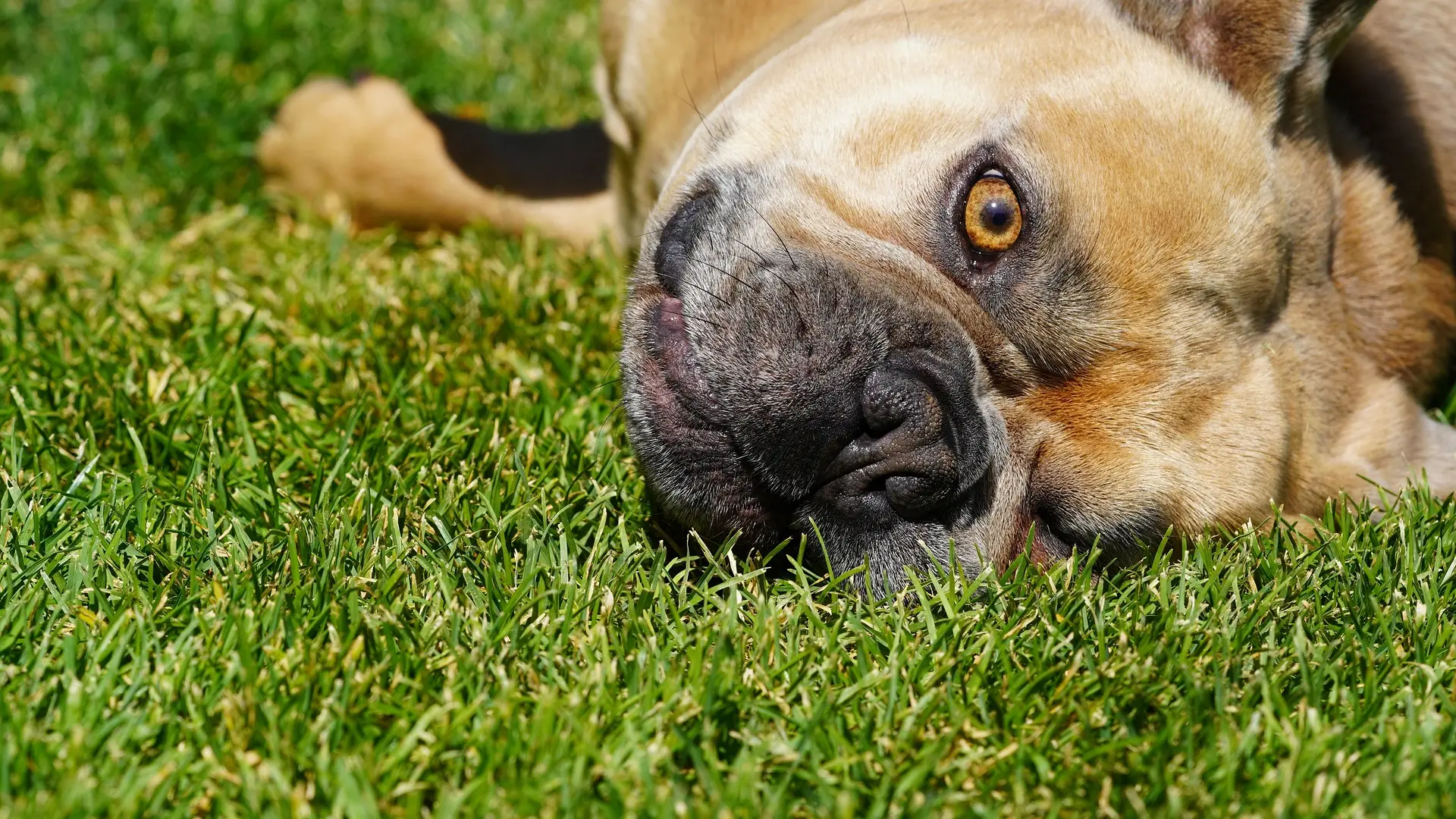
You're at the park. Your dog is off-leash, everything is fine, and then you watch them veer off toward something in the grass with unmistakable purpose. They sniff it once. They drop to their shoulder. And then they grind their neck and face into whatever is there with complete, joyful abandon.
You call their name. They don't hear you, or they hear you and don't care. By the time you get there, the damage is done.
There is no fully satisfying explanation for this behavior, but there are several theories, and at least one of them is convincing.
The Scent Masking Theory
The oldest and most common explanation is that dogs roll in strong smells to disguise their own scent, an instinct inherited from their wild ancestors. A predator who smells like rotting carrion is harder to detect downwind of prey. Rolling in something pungent could give a hunting dog a scent advantage.
The problem with this theory is that it's hard to prove, and modern dogs aren't hunting for survival. But instincts don't disappear just because the original purpose is gone. Dogs still circle before lying down even on a flat floor. They still dig at carpet even when there's nothing to uncover. The behavior persists even when the original context doesn't.
The Scent Communication Theory
A competing theory suggests the opposite: dogs aren't trying to mask their scent, they're trying to carry an interesting smell back to the pack as information. "I found something significant. Here's proof. Smell my neck."
This makes some sense in a social context. Dogs communicate heavily through scent, and a dog who returns from a walk smelling like something dead is certainly communicating something to every dog they subsequently meet. Whether this is intentional information-sharing or just instinct is harder to say.
It Just Feels Good
The most honest answer may be the simplest one: dogs find strong smells intensely interesting, and rolling in them is pleasurable in a way we don't have a human equivalent for.
Dogs experience the world primarily through their nose. Their sense of smell is estimated to be anywhere from 10,000 to 100,000 times more sensitive than a human's. A smell that is overwhelming and repellent to us may be, to a dog, a rich and complex sensory experience that is genuinely enjoyable to be immersed in.
They're not being disgusting on purpose. They found something extraordinary and they want to be inside it. It's not that different from a human who finds a beautiful view and wants to stand there for a while.
What They Target
Dogs don't roll in just anything. They have preferences:
Dead animals are a classic choice, the older and more decomposed the better from their perspective. The smell is maximally complex and long-lasting.
Feces, especially from other animals. Fox scat is particularly sought after. Deer droppings. Anything wildlife-related tends to rank high.
Rotting vegetation, mud, stagnant water, fish, and anything that has been sitting in the sun long enough to develop serious fermentation.
Strongly scented spots on the ground where something interesting used to be. Dogs will sometimes roll in a spot where there's no visible evidence of anything, because their nose has detected a residue that tells them something was there.
The common thread is intensity and complexity. They're not randomly falling over. They're selecting.
Why You Can't Simply Train It Away
You can interrupt the behavior in the moment. A reliable recall, a "leave it" command, and keeping your dog on-leash in areas where rolling opportunities abound can all reduce how often it happens.
But the underlying drive is very strong and very old. A dog who gets the chance will usually take it, especially if they're moving faster than you are. It's one of those behaviors where management (leash, attentive supervision, fast recall) is more realistic than elimination.
Some dogs are much more dedicated rollers than others. Hound breeds and dogs with strong scent instincts tend to engage in it more frequently. High-energy dogs who get less mental and physical stimulation may do it more because the novelty is genuinely exciting to them.
Dealing With the Aftermath
A dog who has rolled in something dead needs a bath, and it needs to happen before they get in the car, on the furniture, or anywhere near your face.
A few things that actually help:
Act immediately. The longer the smell has to set into the coat, the harder it is to remove.
Regular dog shampoo works for most things. Lather well, leave it for a few minutes before rinsing. Repeat if needed.
For truly terrible smells, a baking soda and dish soap wash before the regular shampoo helps neutralize the odor. The classic skunk treatment (hydrogen peroxide, baking soda, dish soap) also works reasonably well for other severe smells.
Rinse very thoroughly. Leftover shampoo residue traps smell. A good rinse matters as much as the wash.
Check the neck and shoulders first. That's where most of the contact happened. The top of the head and the base of the ears are also common target zones.
If this happens regularly on your usual walks or routes, it's worth logging where and when it happens so you can either avoid those spots or go in prepared. PawTrack's observation logs let you note these patterns alongside your dog's other routines.
Can You Prevent It?
Prevention comes down to awareness and training:
Keep them on a leash in areas where wildlife, dead animals, or strong ground scents are likely. Off-leash parks near wooded areas or water are high-risk zones.
Work on a fast, reliable recall. A dog who comes back immediately when called gives you a chance to intervene before they're fully committed.
"Leave it" is useful but has limits. If your dog is already nose-down and going into a roll, they may not respond. The command is more useful if you catch them in the sniff-and-assess phase before the dive.
Mental stimulation reduces the intensity of novel-seeking behavior. A dog who has had a sniff walk, a training session, or a puzzle feeder that day is slightly less likely to throw themselves into every interesting smell they encounter. Not reliably, but slightly.
The Bottom Line
Your dog rolls in dead things because something very deep in their biology tells them to. It feels good, it's intensely interesting to their nose, and the instinct goes back further than domestication.
You're not going to fully stop it. You can reduce how often it happens through management and training. And you should absolutely have dog shampoo on hand at all times.
The good news is that they usually look absolutely delighted. That doesn't make the bath any less annoying, but it does make it slightly harder to be angry at them.