
 Cat Care
Why Do Cats Sleep So Much? Understanding Your Cat's Sleeping Habits
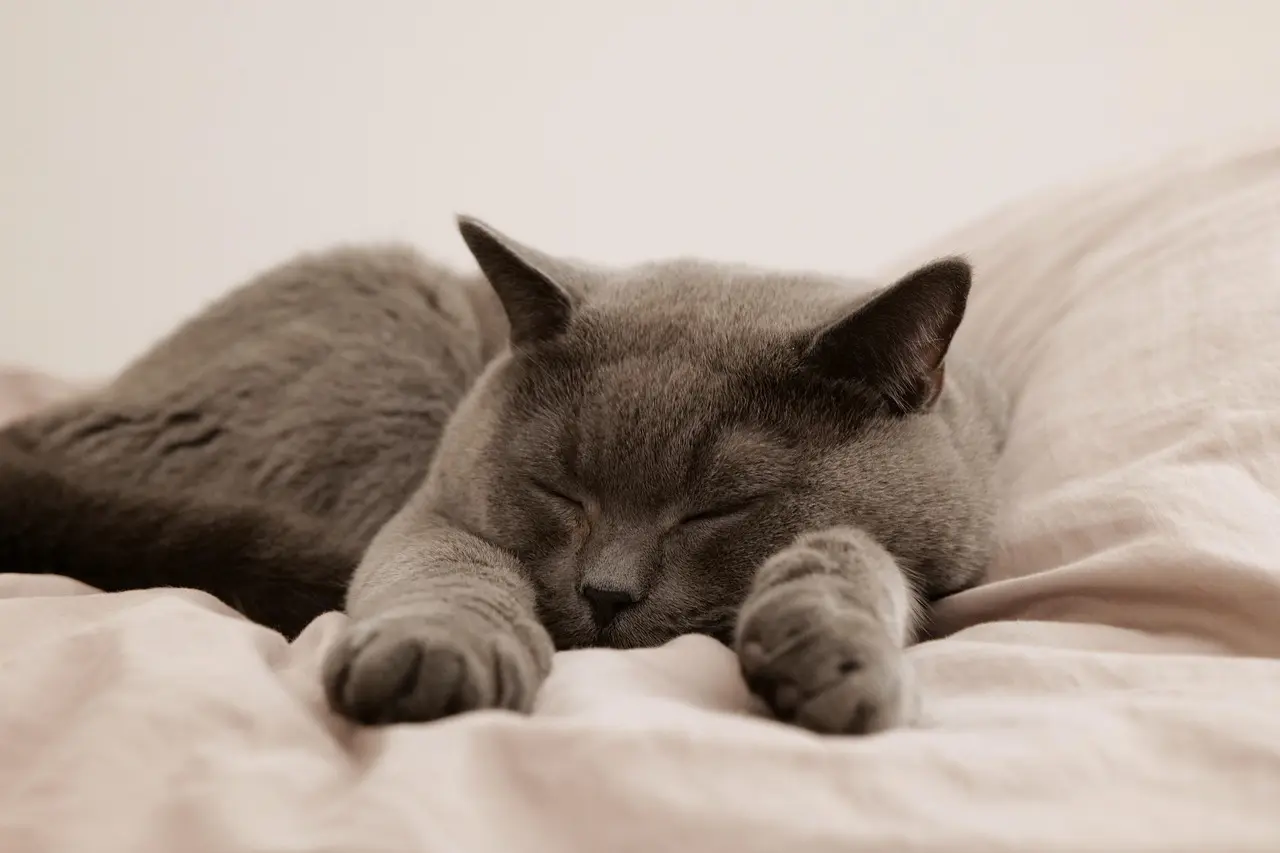
I once tracked my cat's sleep for a full week out of curiosity. The result? She was awake for maybe six hours a day. Six. The rest was napping, dozing, or full-on dead-to-the-world sleeping, often in the most inconvenient spots in the house. Here's why cats are such champion sleepers.
How Much Do Cats Actually Sleep?
On average, cats sleep between 12 to 16 hours per day. Some cats, particularly kittens and senior cats, can sleep up to 20 hours a day. That means your cat could be sleeping for up to two-thirds of their entire life.
To put this in perspective:
- · Humans sleep about 7-9 hours (roughly 33% of the day)
- · Dogs sleep about 12-14 hours (roughly 50% of the day)
- · Cats sleep 12-20 hours (roughly 50-83% of the day)
Your cat is basically a sleep professional.
They're Built for Bursts, Not Marathons
In the wild, hunting takes intense, explosive energy, stalking, sprinting, pouncing. That kind of effort burns through reserves fast, so cats evolved to sleep a lot between hunts to recharge.
Your indoor cat's "hunt" might be a feather wand or a rogue hair tie, but their biology doesn't know that. Their body is still wired for the wild, which is why they can go from dead asleep to full zoomies in about half a second.
Dawn and Dusk Are Their Prime Time
Cats are crepuscular, most active at twilight, when their prey (mice, birds) would be moving in the wild. That explains their weird schedule:
- · Your cat sleeps heavily during the middle of the day
- · They rest through most of the night (though not as deeply)
- · They're energized and ready to play at sunrise and sunset
So when your cat wakes you up at 5 AM or gets the zoomies at 9 PM, they're not being annoying on purpose. It's just their body clock.
Most of That "Sleep" Is Actually Dozing
Here's the thing, your cat isn't unconscious for 16 hours straight. They have two distinct sleep modes:
Light Sleep (Dozing)
About 75% of a cat's sleep time is spent in light sleep or "dozing" mode. During these periods:
- · Their muscles remain somewhat tense
- · Their ears continue to rotate toward sounds
- · They can spring into action within seconds
- · Their eyes may be slightly open (the infamous "cat nap" position)
This is why your cat can go from seemingly asleep to fully alert in an instant. They're resting but remain aware of their surroundings, always ready to respond to potential threats or opportunities. Many cats will purr during these light sleep moments as a sign of contentment and self-soothing.
Deep Sleep (REM Sleep)
Only about 25% (roughly 3-4 hours) of a cat's total sleep time is spent in deep, REM (Rapid Eye Movement) sleep. During this stage:
- · Their body is completely relaxed
- · You might see their whiskers twitching, paws moving, or eyes darting beneath closed lids
- · They're likely dreaming (yes, cats dream too!)
- · They're fully unconscious and harder to wake
Deep sleep is crucial for physical restoration, memory consolidation, and overall health. Interestingly, cats often knead before settling into deep sleep, preparing their sleeping spot just like their wild ancestors did.
Age Changes Everything
Kittens
Newborn kittens can sleep up to 20 hours a day. This extensive sleep is essential for growth and development. During sleep, their bodies release growth hormones, build muscle, and develop their nervous systems.
Adult Cats
Healthy adult cats typically sleep 12-16 hours per day. They have established routines and more predictable sleep patterns.
Senior Cats
Older cats (7+ years) tend to sleep more, often returning to the 18-20 hour range. This increased sleep is normal as their energy levels naturally decrease with age.
Weather and Surroundings Play a Role Too
- · Rainy or cold days: Cats sleep more when the weather is poor
- · Hot days: Cats conserve energy by sleeping through the heat
- · Comfortable environment: A cozy, safe space encourages more sleep
- · Boredom: Indoor cats with limited stimulation may sleep more out of boredom
Is My Cat Sleeping Too Much?
While cats are champion sleepers, there are situations where excessive sleep might indicate a problem. Consult your veterinarian if you notice:
- · A sudden, dramatic increase in sleep (sleeping 20+ hours when they usually sleep 14)
- · Lethargy or difficulty waking up
- · Lack of interest in food, play, or interaction
- · Sleeping accompanied by other symptoms (vomiting, diarrhea, weight loss)
- · Complete withdrawal from normal activities
These could be signs of illness, depression, obesity, or other health issues requiring professional attention.
Is My Cat Not Sleeping Enough?
On the flip side, some cats seem to sleep less than normal. If your cat is sleeping significantly less than 12 hours a day, consider:
- · Stress or anxiety: Changes in environment, new pets, or household disruptions can affect sleep
- · Hyperthyroidism: Common in older cats, causing increased activity and decreased rest
- · Pain or discomfort: Cats in pain may struggle to settle into comfortable sleep
- · Age: Young, energetic cats naturally sleep a bit less than average
How to Support Healthy Sleep Patterns
Want to help your cat get quality rest? Here are some tips:
- · Create comfortable sleeping spots: Provide multiple cozy beds in quiet, safe locations. Check out our Cat Starter Kit for recommendations on the best cat beds and sleeping accessories.
- · Maintain a routine: Feed and play with your cat at consistent times
- · Provide mental and physical stimulation: Interactive play sessions during their active periods
- · Respect their sleep: Don't wake a sleeping cat unless necessary; they need their rest
- · Keep their environment calm: Reduce loud noises and disruptions during typical sleep hours
- · Play before bedtime: A vigorous play session before your bedtime can help your cat sleep through the night
So Is My Cat Just Lazy?
No. They're efficient. All that sleep is doing real work, conserving energy, processing information, keeping them ready for those 30-second bursts of insane athleticism.
If your cat sleeps near you or follows you from room to room to nap, that's trust. Cats are picky about where they let their guard down, and choosing to sleep next to you means they feel safe.
Honestly, finding your cat asleep in a ridiculous position in yet another weird spot is one of the best parts of having a cat.
Related Reading
Want to learn more about your cat's fascinating behaviors? Check out these related posts: