
 Cat Care
Why Do Cats Meow? Decoding Your Cat's Vocal Language
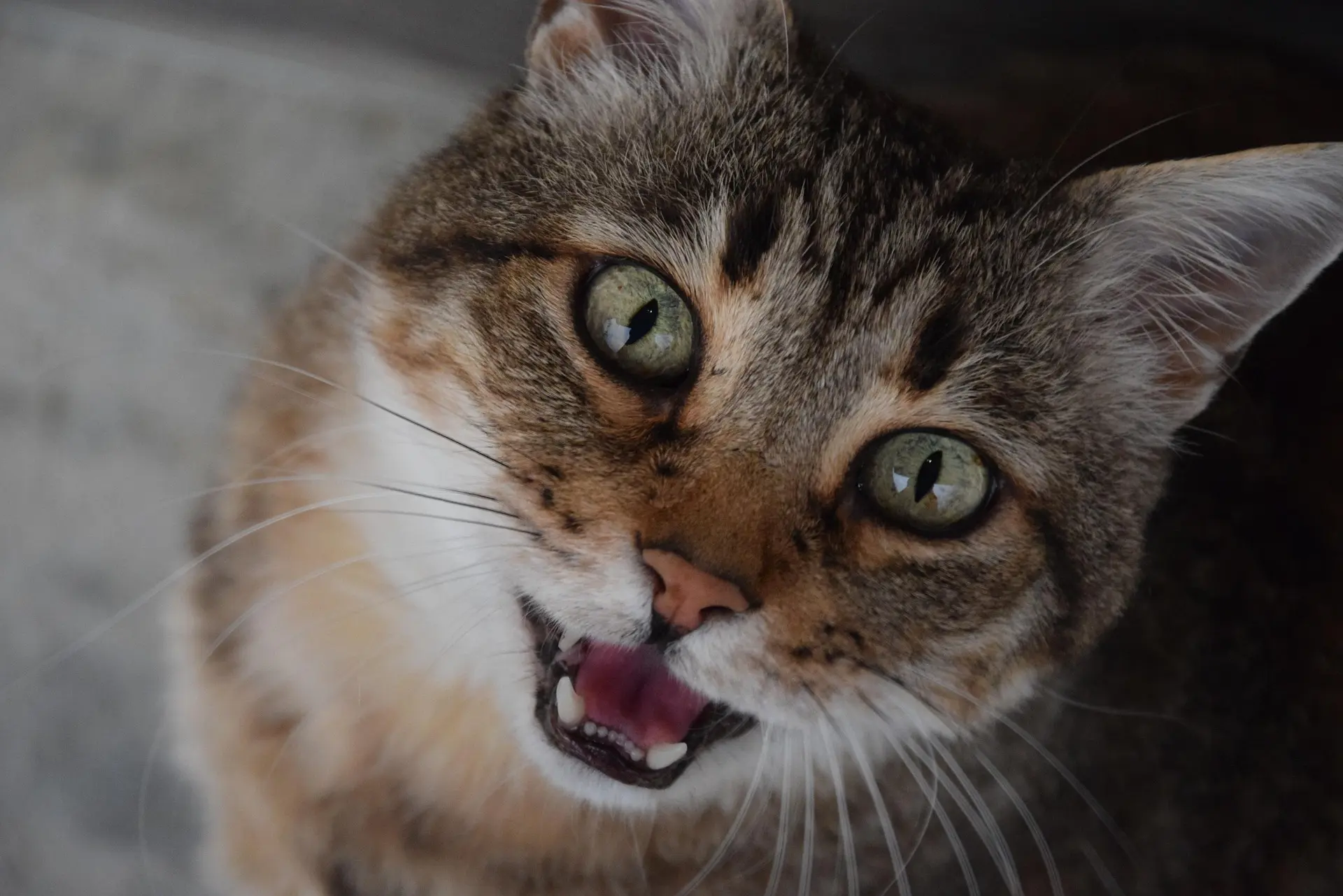
My cat has a different meow for everything. There's the 6 AM "feed me now" yowl, the chirpy "hello" when I get home, the insistent "open this door immediately" complaint, and the plaintive "I'm lonely" cry from another room. She basically never shuts up.
The weird part? She almost never meows at other cats. Cats developed this whole vocal system specifically to communicate with humans. We basically trained them to talk to us, and now they won't stop.
Cats Don't Really Meow at Each Other
Here's something most people don't know: adult cats rarely meow at each other. Kittens meow at their mothers, but once they're grown, cats primarily communicate through body language, scent marking, and the occasional hiss or growl.
The meowing? That's almost exclusively for us. Cats figured out that humans respond to vocal cues, so they adapted. It's like they learned our language, except instead of words, they just developed increasingly specific sounds to get what they want.
Pretty smart, honestly.
The Different Types of Meows
Once you start paying attention, you'll notice your cat doesn't just have one meow. They have a whole repertoire.
The Short, Standard Meow
What it sounds like: A quick, mid-pitched "meh" or "mrow" What it means: General greeting, acknowledgment, or neutral request When you'll hear it: When your cat walks into a room and sees you, or when you talk to them
This is the basic, all-purpose meow. It's not urgent, not demanding, just... cat small talk.
The Multiple Meows in a Row
What it sounds like: "Mew mew mew" or "mrow mrow mrow" in rapid succession What it means: Excitement, enthusiasm, or building anticipation When you'll hear it: When you're preparing their food, getting out a favorite toy, or when they're greeting you after you've been gone
The more excited they are, the more meows you'll get. My cat does this little trill-meow combo when I open the treat bag. She knows what's coming.
The Long, Drawn-Out Meow
What it sounds like: "Meooooow" or "mroooooow" that goes on for several seconds What it means: Complaint, demand, or increasing frustration When you'll hear it: When you're late with breakfast, when a door is closed and they want in, or when they want something specific and you're not getting the hint
This is the escalation meow. They've asked nicely, you ignored them, so now they're getting louder and more insistent.
The High-Pitched, Urgent Meow
What it sounds like: Sharp, loud, almost distressed "MEOW!" What it means: Alarm, pain, or serious demand When you'll hear it: When they're hurt, scared, extremely hungry, or trying to alert you to something
This one gets your attention immediately, which is the point. If your cat suddenly shifts to this meow when it's not mealtime, check on them. It could indicate pain or distress.
The Silent Meow
What it sounds like: They open their mouth, the motion is there, but no sound comes out What it means: Ultimate politeness, subtle request, or just affection When you'll hear it: Often directed at favorite humans during calm moments
Some experts think this is the cat equivalent of a whisper. It's gentle, non-demanding, and honestly kind of adorable. It's usually a sign of trust and affection.
The Chirp or Trill
What it sounds like: "Brrrp" or "mrrp," almost like a rolled R What it means: Friendly greeting, invitation to follow, or excitement When you'll hear it: When they're happy to see you, when they want you to follow them somewhere, or during play
Mother cats use this sound to get their kittens to follow them. Adult cats use it on us for the same reason, or just to say a friendly hello. It's one of the happiest cat sounds.
The Yowl or Caterwaul
What it sounds like: Long, loud, dramatic "YOOOOOWL" or "WAAAAHHH" What it means: Mating call, territorial warning, or extreme distress When you'll hear it: Unspayed/unneutered cats during mating season, cats in pain, or cats who are very upset
This is the sound that wakes you up at 3 AM and makes you wonder if your cat is dying. Usually, they're just being dramatic. But it can also signal genuine distress, so don't ignore it completely.
Why Your Cat Meows at You
Now that we know what the meows sound like, let's talk about why they're doing it.
They Want Something
This is the big one. Most meowing is transactional.
- · Food (the most common)
- · Water (especially if their bowl is empty or not fresh enough)
- · Access (open this door, let me outside, let me in)
- · Attention (pet me, play with me, look at me)
- · A clean litter box (yes, some cats will complain about this)
Cats are goal-oriented. They meow because it works. You feed them when they meow. You open doors when they meow. You give them attention when they meow. They've trained you, and they know it.
They're Saying Hello
Some cats are just friendly and chatty. When you come home, when you walk into a room, when you make eye contact, they meow to acknowledge you.
This is especially common in cats who follow you everywhere. They're your little shadow, and they like to keep the conversation going.
They're Lonely or Bored
If your cat meows excessively when you're not in the same room, they might be feeling isolated. Indoor cats, especially, can get bored during their long wakeful periods between all that sleeping.
They're calling for you the same way they'd call for their mother as a kitten. It's social behavior.
They're Stressed or Anxious
Changes in routine, new people, moving furniture, a new pet, anything that disrupts their world can trigger increased meowing.
Stressed cats often combine meowing with other signs: flattened ears, low tail position, hiding, or aggressive body language. The meow is part of a bigger picture.
They're Sick or in Pain
Sudden changes in meowing patterns can indicate health issues. If your normally quiet cat suddenly won't shut up, or your chatty cat goes silent, something might be wrong.
Older cats with cognitive decline, hyperthyroidism, or other conditions often meow more, especially at night. Senior cats might meow because they're confused or disoriented.
They're Manipulating You (And It's Working)
Let's be honest, cats have figured us out. The "solicitation purr" is well-documented (a purr with an embedded cry-like frequency that mimics a baby), and they do something similar with meows.
Cats adjust their meows based on what gets results. They'll try different pitches, different durations, different intensities until they find the one that makes you get up and do what they want.
They're not evil. They're just extremely good at training humans.
Why Some Cats Are Chattier Than Others
Breed matters. Siamese, Burmese, and other Oriental breeds are famously talkative. They'll have full conversations with you. Maine Coons often chirp and trill. Persians tend to be quieter.
Personality matters. Just like people, some cats are naturally more vocal. I've had silent cats who almost never made a sound, and I've had cats who narrated their entire day.
Reinforcement matters. If you respond every time your cat meows, you're encouraging it. They'll meow more because it works. If you ignore attention-seeking meows, they might meow less (or they might just get louder, honestly, it's a gamble).
Age matters. Kittens meow a lot to communicate with their mothers. Older cats sometimes meow more due to cognitive decline, hearing loss (they can't hear themselves so they get louder), or medical issues.
When Meowing Becomes a Problem
Excessive meowing can drive you up the wall, but before you get frustrated, rule out medical issues. If your cat's meowing has changed dramatically, see a vet.
Medical Causes of Excessive Meowing
- · Hyperthyroidism (common in older cats)
- · Cognitive dysfunction syndrome (cat dementia)
- · Pain or discomfort
- · Hearing loss (they meow louder because they can't hear themselves)
- · Kidney disease or other chronic conditions
How to Reduce Excessive Meowing
If your vet has ruled out health problems, here's what actually works:
Don't reward it. This is hard, but if your cat meows for food at 5 AM and you feed them, you've just confirmed that meowing at 5 AM gets food. They'll do it again tomorrow.
Address the underlying need. If they're meowing because they're bored, provide more enrichment and stimulation. If they're meowing for attention, schedule dedicated play time. If they're meowing because their litter box is dirty, clean it more often.
Tire them out. A good play session before bed can reduce nighttime meowing. A bored cat is a loud cat.
Establish a routine. Cats thrive on predictability. Consistent feeding times, play times, and sleep schedules can reduce anxiety-driven meowing.
Ignore attention-seeking meows. Don't look at them, don't talk to them, don't react. Only give attention when they're quiet. This takes time and consistency, but it works.
Never punish meowing. Yelling, spraying with water, or other punishments will just stress your cat out more. They don't understand punishment, they just understand that you're unpredictable and scary.
Learning Your Cat's Language
The best thing you can do is pay attention to patterns. What does the 6 AM meow sound like versus the "I want to play" meow? What body language accompanies each meow?
Over time, you'll recognize your cat's specific vocabulary. Every cat has their own dialect. My previous cat had a specific meow that meant "there's a bug on the ceiling and I need you to deal with it." My current cat has a meow that means "I want to sit on your lap but you need to rearrange your legs first."
It's weirdly satisfying when you start to actually understand what they're saying.
The Bottom Line
Your cat meows because you respond to it. They've adapted their communication style specifically for humans, and most of them are very, very good at it.
Some meowing is normal, healthy communication. Excessive meowing might signal boredom, stress, or health issues. And sometimes, your cat is just chatty and wants to tell you about their day.
Either way, they're talking to you on purpose. The least you can do is listen.
Related Reading
Want to learn more about understanding your cat? Check out these related posts:
- · Understanding Cat Body Language: Decode Your Feline
- · Why Do Cats Purr? The Science Behind Your Cat's Motor
- · Why Does My Cat Follow Me Everywhere?
- · Why Do Cats Sleep So Much? Understanding Sleep Patterns
- · Cat Starter Kit: Essential Items for Your New Cat
- · Why Do Cats Knead? Understanding 'Biscuit-Making' Behavior